Skincare
Understand Your InBody Scan, Body Water and Preparation
· The Glow Up Society
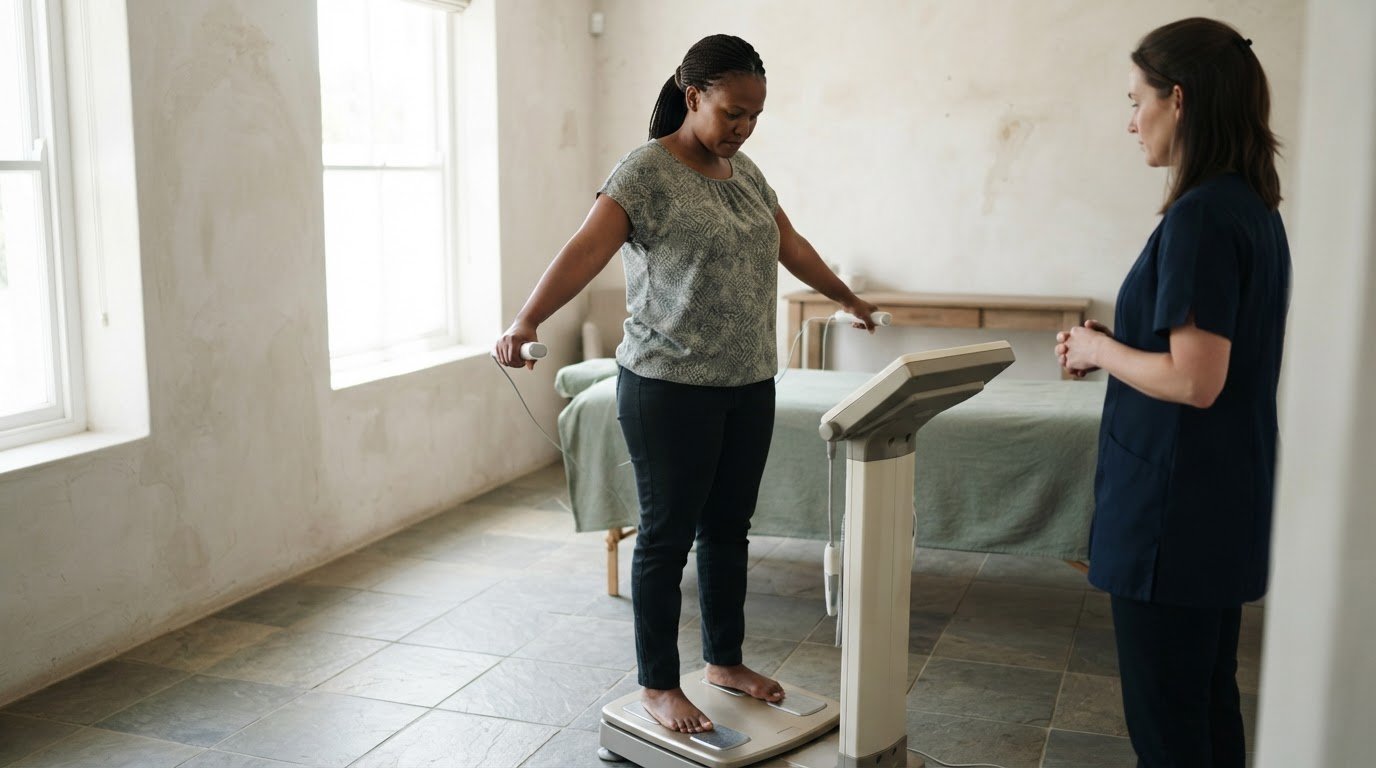
Your weight alone can’t show the full picture. An InBody BMR analysis in Fourways uses bioelectrical impedance analysis to estimate body fat, muscle mass and body water. Its BMR figure estimates the calories your body needs for essential functions at rest. The scan uses a painless, non-invasive electrical current, and hydration and preparation can affect the results.
It’s natural to want a clear reading, especially when tracking changes in your body composition. An InBody scan offers more detail than weight alone, but its figures are estimates, not a complete measure of health.
This guide explains how an InBody scan assesses body composition, what body-water readings mean and how to prepare for a more consistent result. You’ll also learn how to interpret the BMR estimate and why comparing scans taken under similar conditions is more useful.
Key Takeaways
- Understand how a gentle electrical current helps estimate body fat, muscle mass and water, and what the BMR figure represents.
- Learn how intracellular and extracellular water readings add context to your body-composition results.
- Prepare for a more consistent scan by considering meal timing, exercise and hydration beforehand.
- See why readings can shift between scans and how comparing results under similar conditions can make trends easier to interpret.
Table of Contents
- How InBody bioelectrical impedance analysis works
- Intra- and extracellular water
- Scan preparation and hydration
- How accurate are InBody BMR and body composition results?
- The Glow Up Society: Inbody 270 body composition analysis
How InBody bioelectrical impedance analysis works
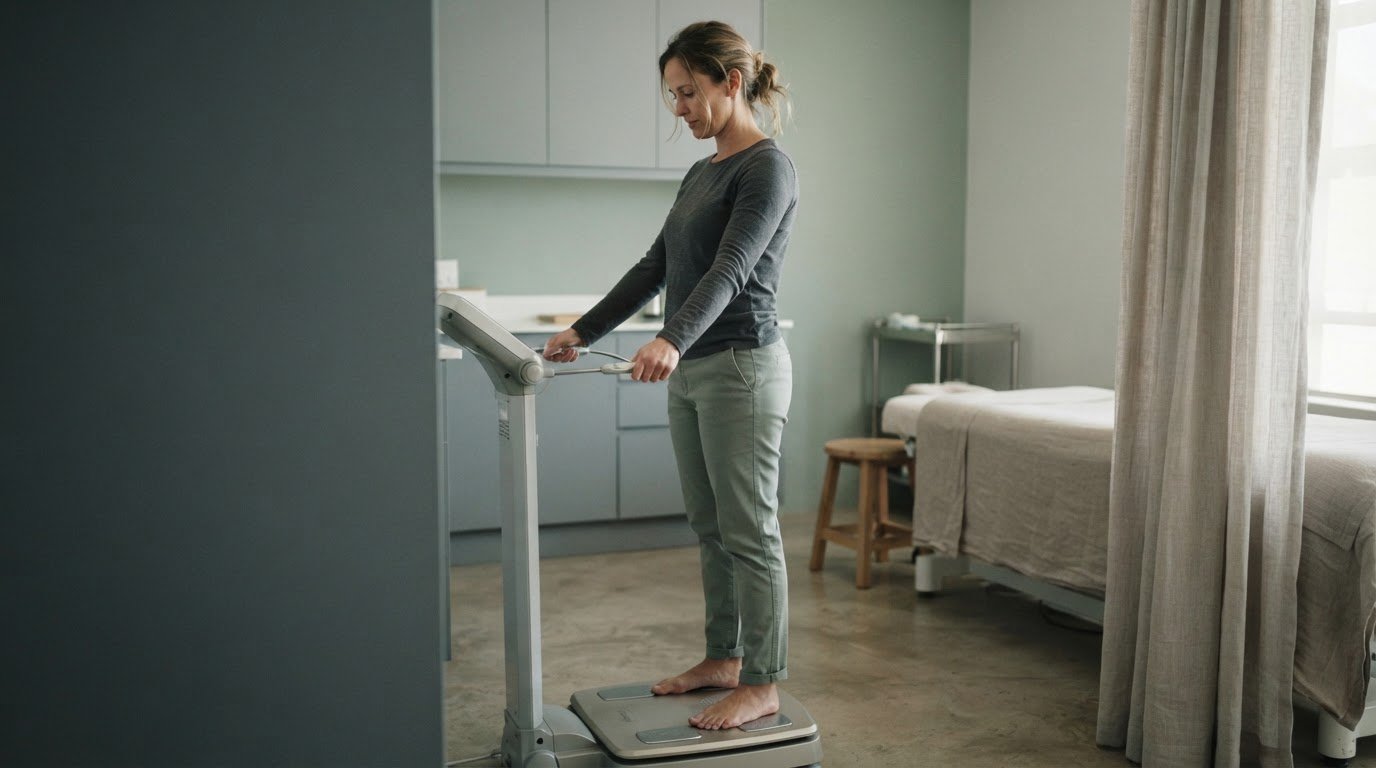
An InBody scan uses bioelectrical impedance analysis, or BIA, to estimate body composition. You stand on the device and hold its hand electrodes while a small, painless electrical current passes through your body. The scanner measures resistance: water-rich tissue conducts current more readily than fat tissue. Multiple frequencies help assess different tissues and body-water compartments.
The resulting profile combines these readings with your age, gender and height. It can report body fat, muscle mass and water content, alongside segmental results that show how measurements are distributed across body regions. Some InBody devices also provide whole-body and segmental phase-angle measurements at 50 kHz. These figures are estimates, not direct images of internal tissue.
Basal metabolic rate, or BMR, estimates the calories your body uses for essential functions at rest. It is not the same as your total daily energy expenditure, which also reflects movement and exercise. Use the estimate as context for nutrition and fitness planning, not as a precise calorie prescription. For weight-loss or muscle-building goals, body-composition trends can add detail that the scale alone misses.
Compared with DEXA, InBody uses electrical resistance rather than imaging; DEXA can measure fat, muscle and bone. Each method offers different information, so results are not directly interchangeable. In Fourways, the scan itself takes under 60 seconds; a complete appointment may take 15-20 minutes, including results review. Appointment requirements vary between providers.
If you have concerns about whether an InBody test is suitable for you, discuss it with a healthcare professional beforehand. If you’re considering an InBody BMR analysis in Fourways, remember that hydration and other preparation factors can affect the readings. Consistent conditions make repeat scans more useful.
The electrical current is painless and non-invasive. The assessment measures the resistance it encounters as it passes through body tissues. InBody scanners use multiple frequencies to measure resistance in different types of tissue, providing the basis for the body-composition assessment. The method assesses composition through electrical resistance; it does not create a direct image of internal structures. Interpret the readings as estimates of body composition.
Intra- and extracellular water
Body water is divided into intracellular water (ICW) and extracellular water (ECW). ICW is inside cells, including muscle cells, while ECW is outside them. Together, these compartments show why a body-composition reading includes more than total water alone. Their balance provides context for muscle mass and changes in fluid distribution.
One useful measure is the ECW/TBW ratio, which compares extracellular water with total body water. A typical healthy range is 0.360 to 0.390, with an average around 0.380 for most healthy people. A reading above 0.390 may indicate swelling or excess extracellular water. It is a prompt to interpret the result in context, not a diagnosis on its own.
The ICW:ECW ratio describes the relationship between water inside and outside cells. A typical healthy ratio is 3:2. Because skeletal muscle contains substantial intracellular water, shifts in this reading can add context to muscle-related results. However, a single ratio cannot explain why a reading changed or establish a health condition.
Hydration, recent exercise and changes in your routine can affect body-water readings. For a more useful comparison, look at scans taken under similar conditions and consider the full result sheet rather than focusing on one value. If a ratio changes, note whether other measures, such as muscle mass, changed too. Your routine and the timing of each scan help put the comparison in context.
These measures can make a scan easier to understand without turning it into a verdict on your metabolic health. If you’d like a clearer view of your readings over time, a body composition analysis can support a considered review of your results.
The stated reference interval for a healthy ECW/TBW ratio is .360-.390. A result can be considered alongside the other measures on the scan, rather than treated as a complete account of fluid balance or health. Comparing readings made under similar conditions may help show whether a change is part of a wider shift in the results. Even then, the ratio offers context, not an explanation by itself; hydration, recent exercise and routine changes remain relevant when reviewing what a result may mean.
Scan preparation and hydration
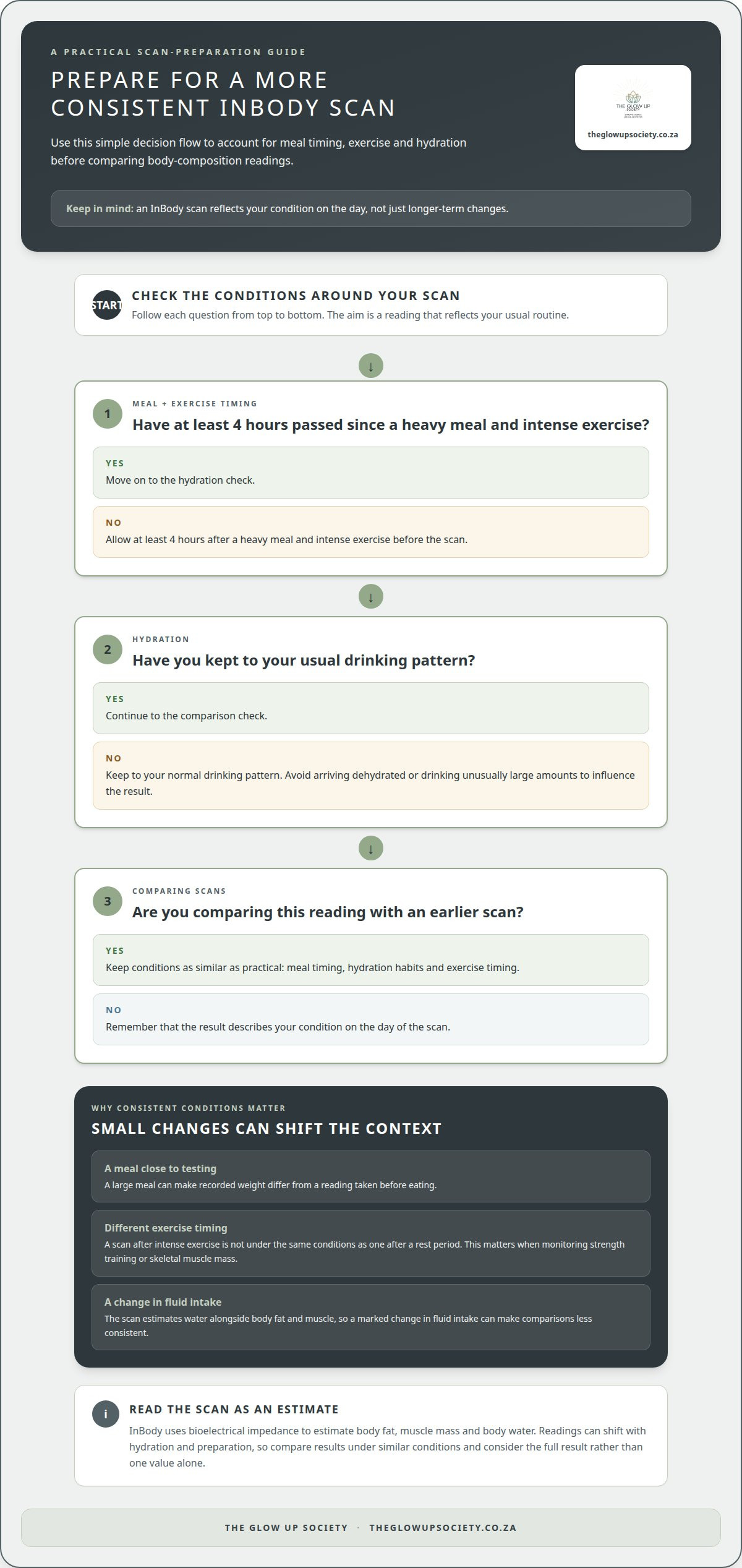
An InBody reading can shift when your fluid balance or recent activity differs. Preparation makes estimates more useful for comparison, especially when tracking weight, body-fat percentage or skeletal muscle mass. The scan reflects your condition on the day, not just longer-term changes. A meal or workout shortly beforehand can affect the context in which the device assesses your body composition.
Arrange your scan at least four hours after a heavy meal and intense exercise. This is the recommended preparation interval for InBody testing. For example, after a demanding morning gym session, choose a time that leaves four hours before the scan. A large meal close to testing can also make your recorded weight differ from a reading taken before eating. Note the timing when comparing results.
Hydration matters because the scan estimates water alongside body fat and muscle. A marked change in fluid intake before one scan can make comparisons less consistent. Keep to your usual drinking pattern rather than arriving dehydrated or drinking unusually large amounts to influence the result. There’s no need to chase a particular body-fat percentage on scan day. Aim for a reading that reflects your normal routine.
Exercise timing matters when monitoring strength training or changes in skeletal muscle mass. If one scan follows intense exercise and another follows a rest period, the conditions differ. For a clearer comparison, keep meal timing, hydration habits and exercise timing as similar as practical. Then consider the scan alongside your broader progress, including changes in strength, weight and training routine. One measurement is only a snapshot; repeated readings under comparable conditions can help show a trend.
How accurate are InBody BMR and body composition results?
Bioelectrical impedance analysis has been used in medical settings for decades. InBody uses age, gender and height alongside electrical-resistance readings to generate an individual body-composition profile. The result is an estimate based on your details and measurements, not a direct image of fat or muscle. Body-water changes and scan conditions can also influence the figures, so consistency matters when comparing readings.
The BMR figure estimates how many calories your body burns at rest to support essential functions. It isn’t a measure of your total daily calorie use, which also includes movement and exercise. For example, someone who walks regularly may use more energy throughout the day than their BMR figure suggests. Treat BMR as one reference point for understanding energy needs, not as a complete calorie target.
Body-composition estimates also differ from imaging-based tests. A DEXA scan can measure fat, muscle and bone, while InBody results can be affected by factors such as hydration and preparation. The results are not interchangeable. Consider what the chosen test measures and whether repeat readings offer a meaningful comparison for your goals.
For weight-loss or muscle-building progress, compare results taken under similar conditions and look at the pattern rather than one isolated change. A shift in body fat alongside a change in muscle mass may tell a different story from weight alone. Keep your goal in view, whether you’re tracking training progress or discussing nutrition with a health professional. An InBody reading provides information for that conversation, not a diagnosis.
For a measured view of your body composition, book an InBody 270 body composition analysis.
The Glow Up Society: Inbody 270 body composition analysis
The Glow Up Society offers Inbody 270 body composition analysis to help you understand more than your weight alone. The results can give you a clearer view of body composition, including estimated body fat, muscle mass and basal metabolic rate. This may be useful when you’re beginning a weight-management plan or tracking changes over time.
For a meaningful comparison, consider each reading alongside the scan conditions and your personal goals. The figures are estimates, so use them as context for your progress, not as a diagnosis or a complete picture of health. If you’re exploring an InBody BMR analysis in Fourways, the assessment can help you understand the measurements and decide what to focus on next.
Contact The Glow Up Society to discuss Inbody 270 body composition analysis.
Make your next step feel informed
A scan can be a useful starting point for a more considered approach to your wellbeing. Decide what you want to understand or track, then use that goal to guide your next conversation. An InBody BMR analysis in Fourways can help you explore your body-composition readings with that purpose in mind. The figures are estimates, so interpret them alongside your goals and the conditions of each scan.
The Glow Up Society also offers GA Peels, LHA Peels and Retinol Peels for separate skincare goals. If you’d like to discuss body-composition analysis or explore the options that suit your needs, contact The Glow Up Society. A thoughtful next step can begin with a simple conversation.
Frequently Asked Questions
What Does the InBody Scan Measure?
An InBody scan estimates body fat, muscle mass and body water. It may also report visceral fat, which surrounds the organs. The result sheet can show segmental measurements, helping you see how estimates vary across body regions. For example, someone tracking strength training may find muscle distribution more informative than body weight alone. Read the figures together rather than treating one measurement as the whole picture.
What does an InBody BMR analysis measure, and how is BMR estimated?
An InBody scan estimates your basal metabolic rate, the calories your body needs for essential functions at rest. The device uses body-composition readings alongside details such as age, gender and height to produce an individual estimate. For an InBody BMR analysis in Fourways, remember that BMR isn’t your total daily energy use: everyday movement and exercise also contribute. Use the figure as context, not as a complete daily calorie target.
How should I prepare for an InBody scan, including food, exercise, and hydration?
Allow at least four hours after a heavy meal or intense exercise before your scan. Keep your hydration routine usual rather than deliberately drinking much more or less beforehand. For instance, if you normally drink water with breakfast, don’t change that habit just for testing. When comparing readings, similar meal, exercise and drinking patterns can make changes easier to interpret.