Skincare
Post pregnancy belly tightening in Sandton: skin and fat options
· The Glow Up Society
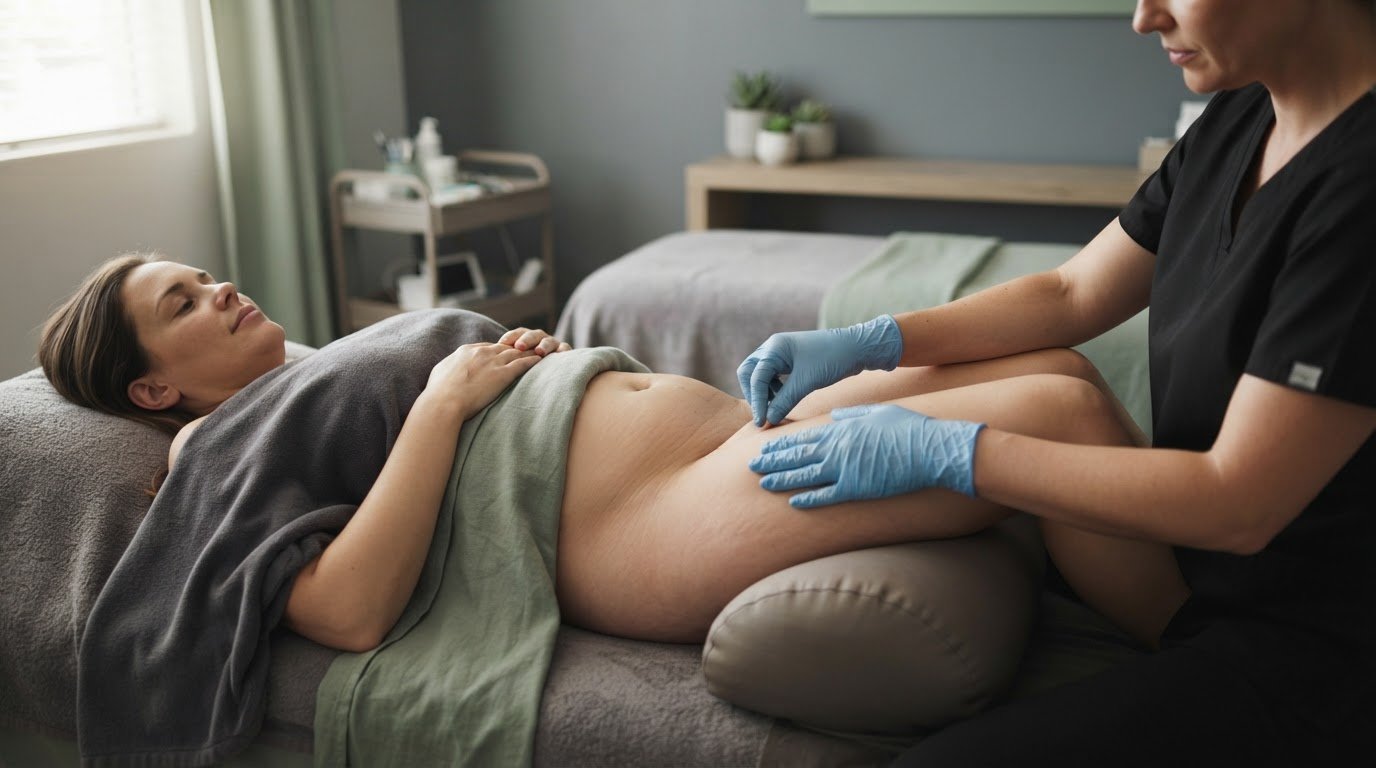
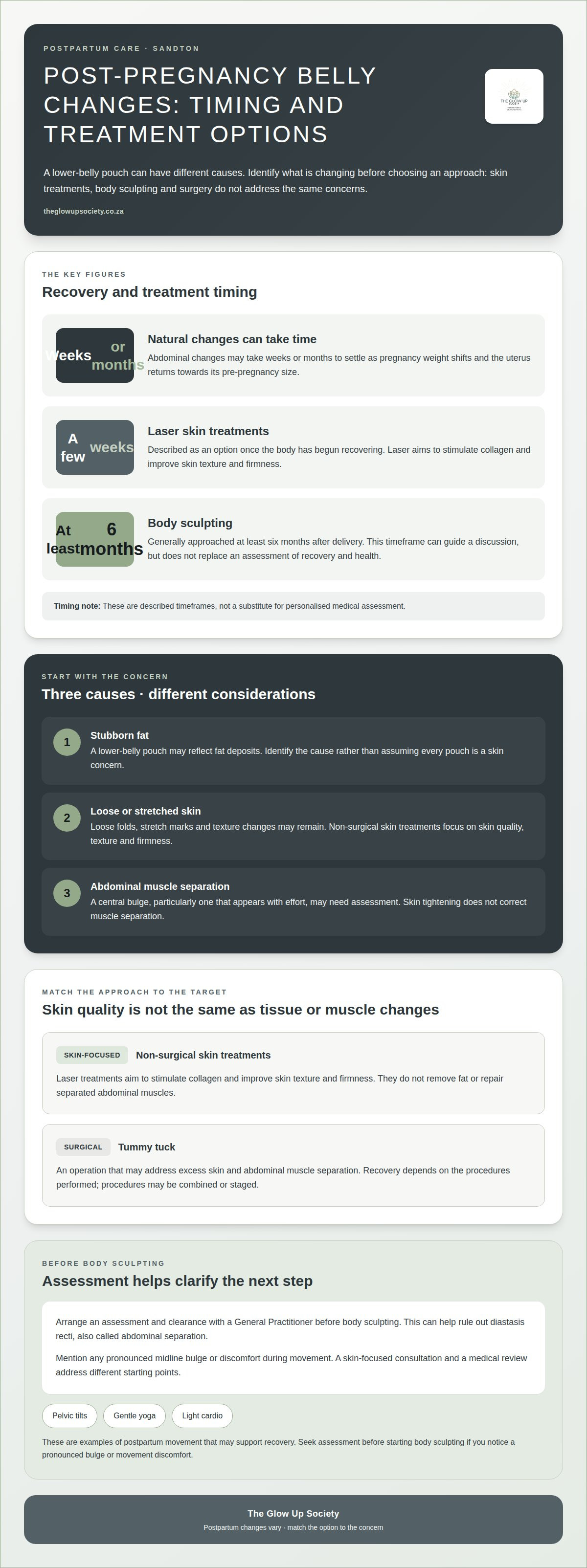
Postpartum abdominal changes can take weeks or months to settle as pregnancy weight shifts and the uterus returns towards its pre-pregnancy size. For post pregnancy belly tightening in Sandton, the right approach depends on whether your concern is stubborn fat, loose skin or abdominal muscle separation, as each calls for different considerations.
It’s understandable to want your body to feel comfortable and familiar again, while recognising that recovery takes time. Pregnancy can affect the abdomen in several ways, and the changes you notice may not respond to the same treatment or routine.
This guide explains how pregnancy can change your skin and abdominal area, what may help with postpartum fat and skin laxity, and how results can evolve over time. It also covers what to consider before exploring aesthetic treatments, so you can make an informed choice that suits your recovery and personal goals.
Key Takeaways
- Learn how to distinguish loose skin, stubborn fat and abdominal muscle separation, since each calls for a different approach.
- Explore non-invasive options that may support skin firmness, and understand why gentle recovery habits matter too.
- See what can shape the cost of non-surgical tummy treatments in Sandton, beyond the treatment name alone.
- Discover how to match your concerns with suitable skin treatments and set realistic expectations for change over time.
Table of Contents
- What Helps With Post-Baby Belly or Fat Pouch?
- Post-pregnancy body changes
- Where can I get post-pregnancy tummy tightening in Sandton?
- How much does non-surgical belly tightening cost in Sandton?
- The Glow Up Society
What Helps With Post-Baby Belly or Fat Pouch?
A lower-belly pouch may reflect fat, stretched skin or abdominal muscle separation, so identifying the cause matters. Non-surgical skin treatments focus on skin texture and firmness; a tummy tuck is an operation that may address excess skin and separated muscles.
Causes of a lower abdominal pouch
Pregnancy can leave stubborn fat deposits and excess abdominal skin, while a stretched abdominal wall may also change the lower-belly shape. Pregnancy and breastfeeding can bring other changes, including sagging breasts and stretch marks, but these don’t identify the cause of a pouch. A useful first step is to distinguish soft, pinchable tissue from loose skin or a central bulge that appears with effort.
Body weight, skin elasticity and abdominal muscle condition can all influence appearance. A General Practitioner’s assessment and clearance before body sculpting can help rule out diastasis recti, also called abdominal separation.
Skin stretching and abdominal muscle separation
As the abdomen expands, skin stretches across several layers and may not fully retract afterwards. Loose folds, stretch marks and changes in skin texture can remain even as pregnancy weight shifts. Abdominal muscles may also separate; this can gradually improve over months postpartum, although it may be permanent for some women.
Strengthening muscles is different from tightening loose skin. Pelvic tilts, gentle yoga and light cardio are examples of postpartum movement that may support recovery. If you notice a pronounced midline bulge or discomfort during movement, seek an assessment before starting body sculpting.
Non-surgical firming and tummy tuck options
Non-surgical approaches, including laser skin treatments, aim to stimulate collagen and improve skin texture and firmness. Laser treatment is generally considered once the body has begun recovering, described as a few weeks after giving birth. Body sculpting is generally approached later, at least six months after delivery. Ultrasound is another term for energy-based technology, but not every device or method has the same effect.
A tummy tuck is surgery, not a non-invasive firming treatment. It can address excess skin and abdominal muscle separation, with recovery time depending on the procedures performed. A surgeon may combine procedures in one session or stage them across multiple sessions, depending on desired changes and health. Skin treatments target skin quality, while surgery can address more extensive tissue changes; each involves a different level of downtime.
Post-pregnancy body changes
Pregnancy and childbirth can change the stomach through weight shifts, stretched skin and altered abdominal shape. As pregnancy weight shifts and the uterus returns towards its pre-pregnancy size, abdominal changes can take weeks or months to settle. These changes happen at different rates, and appearance may not reflect skin condition or muscle function alone.
Loose skin, stretch marks and stubborn fat deposits can remain after delivery. Pregnancy and breastfeeding can also contribute to sagging breasts. These changes are not interchangeable: a treatment that targets skin texture won’t remove fat or repair abdominal muscle separation. Identifying your main concern helps narrow down relevant options and set realistic expectations.
A mommy makeover is a customised combination of cosmetic surgeries intended to address changes after pregnancy and childbirth. Procedures may be combined in one session or staged across multiple sessions, depending on desired changes and health. Recovery varies with the extent of surgery. Following the surgeon’s post-operative instructions and allowing time for healing are part of the process.
Results from additional procedures, such as a breast lift or liposuction, may continue to improve over the months after surgery as swelling decreases and skin tightens. That gradual change differs from non-surgical skin tightening, which targets skin quality rather than excess tissue or abdominal muscles. The distinction matters when deciding what outcome you want from treatment.
For a concern centred on skin appearance, explore aesthetic treatment options as one part of your wider postpartum care. A balanced diet rich in vitamins, minerals and antioxidants supports skin health, while gentle activity can complement recovery. The most useful next step is to match the option to the change you want to address, rather than treating every postpartum stomach concern alike.
Where can I get post-pregnancy tummy tightening in Sandton?
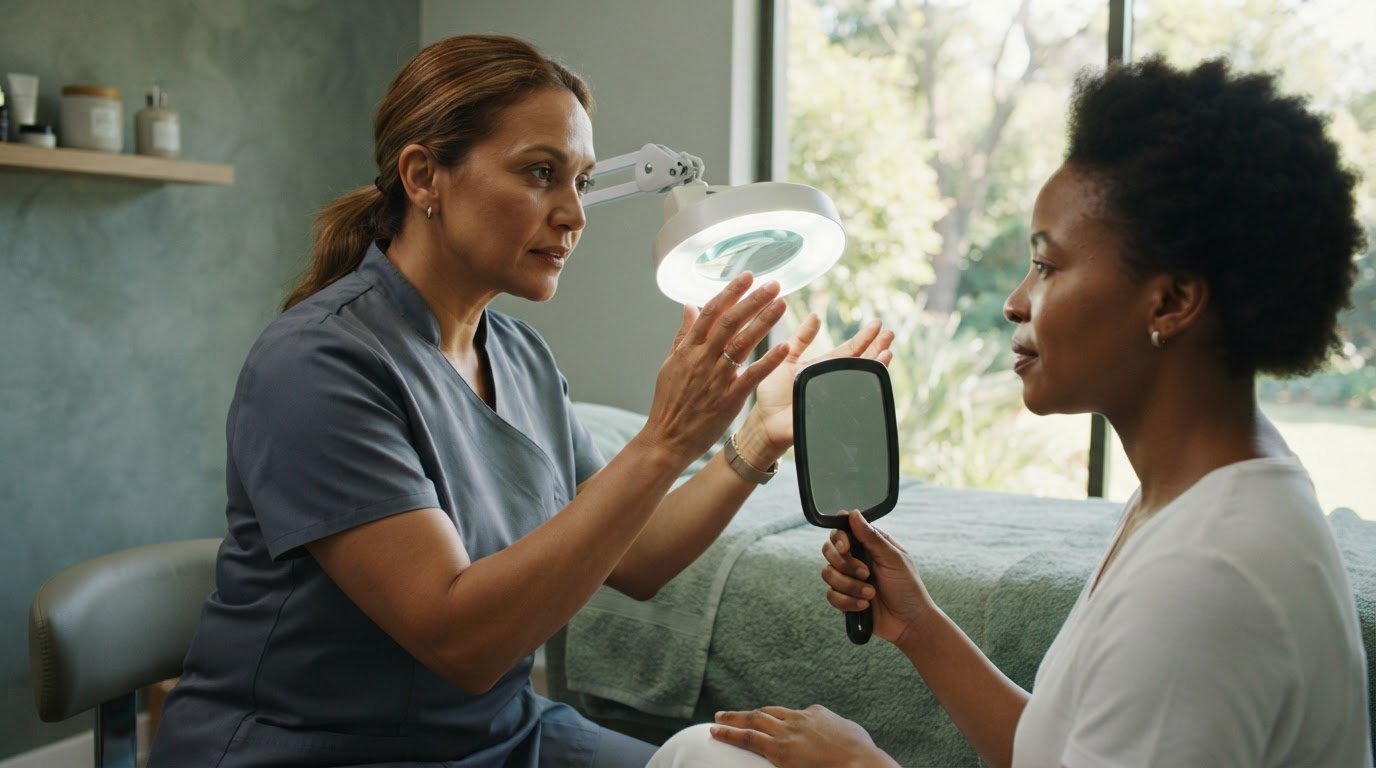
In Sandton, start by matching your main concern to the type of assessment you need. A skin-focused consultation considers loose skin and texture; a medical review can assess abdominal separation or other physical concerns. These are different starting points, so describe whether you’re concerned about a lower-belly pouch, lax skin or a central bulge.
For body sculpting, first arrange an assessment and clearance with a General Practitioner. This helps rule out conditions such as diastasis recti before treatment. Describe your pregnancy-related changes and any discomfort during movement. The assessment should distinguish skin laxity from concerns involving abdominal muscles, since skin tightening won’t correct muscle separation.
At an aesthetics appointment, discuss the treatment’s target, method and recovery needs. For example, laser treatments aim to stimulate collagen and improve postpartum skin texture and firmness. They differ from surgical procedures, which may address excess skin or muscle changes. Ask how the proposed approach relates to your concern, rather than treating every change as a fat issue.
Timing matters too. Postpartum laser skin treatments are described as appropriate after the body has begun its natural recovery, a few weeks after giving birth. Body sculpting is generally approached at least six months after delivery. These timeframes can guide a conversation about readiness, but don’t replace an assessment of your recovery and health.
Use your consultation to clarify whether the plan targets skin appearance, fat deposits or another concern. If there’s abdominal separation, focus first on assessment and appropriate guidance, rather than expecting a skin treatment to strengthen muscles. A focused postpartum aesthetics consultation can help you discuss skin-related goals and understand which type of care matches them.
How much does non-surgical belly tightening cost in Sandton?
There isn’t one standard cost for non-surgical belly tightening in Sandton. The price depends on your case and is given after a quote request; factors include the treatment area, method and planned sessions. A skin-focused option and a body-sculpting treatment may take different approaches, so compare what each plan is intended to address.
The concern being treated matters. A small area of loose skin, for example, differs from a wider area affected by skin laxity or stubborn fat. The method also shapes the plan: laser treatments target skin texture and firmness, while other body-sculpting approaches may have a different purpose. A treatment’s name alone doesn’t show whether it suits your goal.
Before considering a quote, clarify what the proposed treatment includes. Ask how the area is assessed, what the method targets and whether the plan involves one session or multiple sessions. These details help you understand what the quoted amount covers, without assuming that every treatment follows the same format.
- Treatment area: The size and location of the area being addressed.
- Method: Whether the approach targets skin quality, fat, or another concern.
- Plan: The number of sessions and what each session includes.
Set expectations around both the result and the cost. Non-surgical skin tightening aims to improve skin texture and firmness; it doesn’t repair abdominal muscle separation or remove excess skin surgically. If a pouch may involve diastasis recti, a General Practitioner’s assessment and clearance should come before body sculpting. This helps ensure the proposed treatment matches your concern.
For a tailored discussion of your goals and the factors shaping a treatment plan, request a quote for your assessment. Share whether your priority is loose skin, texture or a lower-abdominal pouch, so the conversation can focus on the right treatment category.
The Glow Up Society
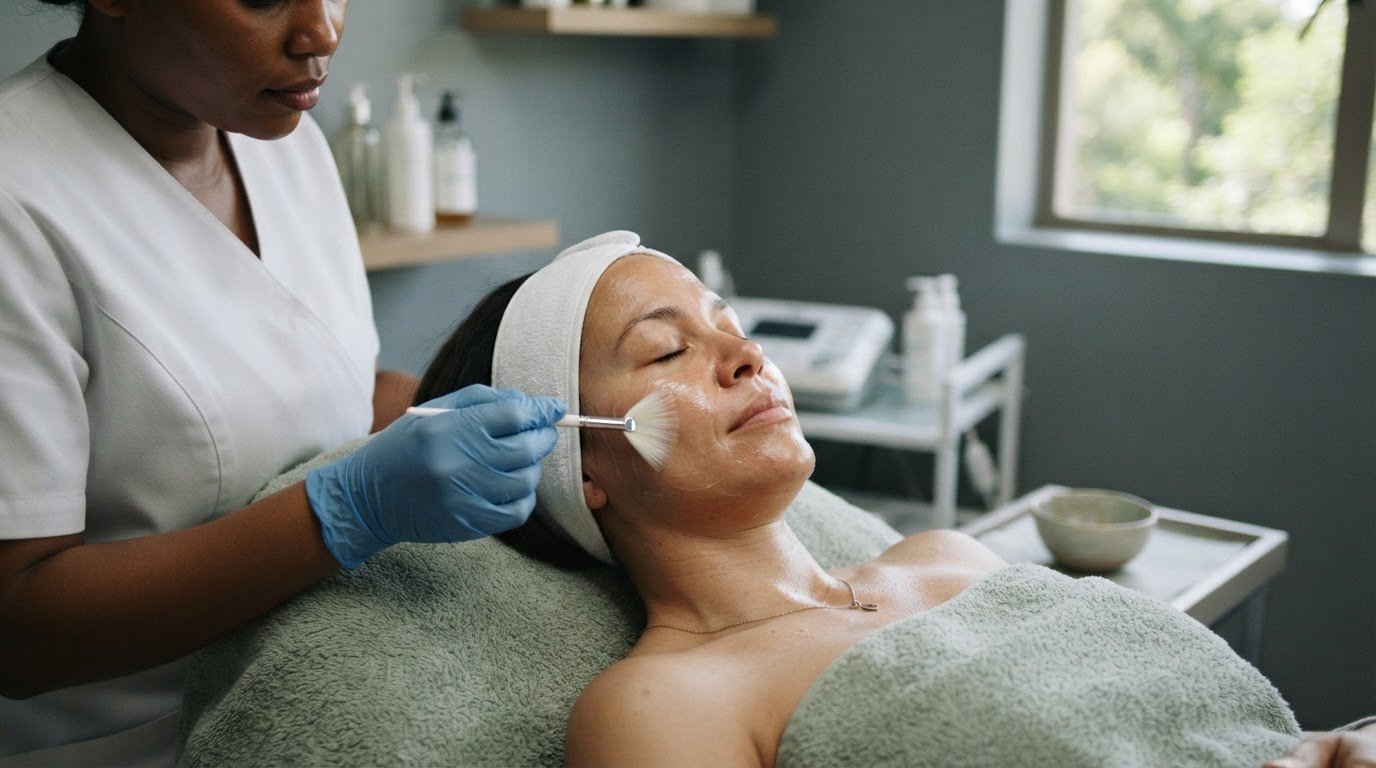
The Glow Up Society offers skin-focused treatments for concerns involving skin texture, rather than abdominal fat or muscle separation. If your goal is to support skin renewal, Optiphi microneedling may be an option to discuss; microneedling stimulates collagen and elastin production as the skin heals. GA peels, LHA peels and retinol peels are also available for skincare goals, but they are not substitutes for surgery or treatment for abdominal muscle separation.
Discuss your main concern, recovery stage and desired outcome before choosing a treatment. This keeps the conversation focused on skin quality and what an aesthetic approach can address, rather than expecting one treatment to resolve every post-pregnancy change.
Contact The Glow Up Society to discuss your postpartum skin concerns and treatment options.
Choose a next step that feels right for you
Your next step can be a focused conversation about the change you’d like to address and the care that fits your recovery. If you’re considering post pregnancy belly tightening in Sandton, keep your goal specific: skin texture, loose skin or abdominal shape may call for different approaches. A skin treatment can support skin-focused goals, but it won’t correct muscle separation or replace surgery for excess tissue.
For skincare concerns, The Glow Up Society offers GA peels, LHA peels and retinol peels. These are options to discuss as part of a considered skincare plan, not a promise of a particular abdominal result. Your priorities can guide the conversation, including what you hope to improve and what a treatment is designed to address.
Take the time you need to decide what feels appropriate. Contact The Glow Up Society to talk through your skin goals and possible treatment options. A thoughtful next step can begin with a clear conversation.
Frequently Asked Questions
How to Lose Postpartum Belly Fat & Tighten Your Skin?
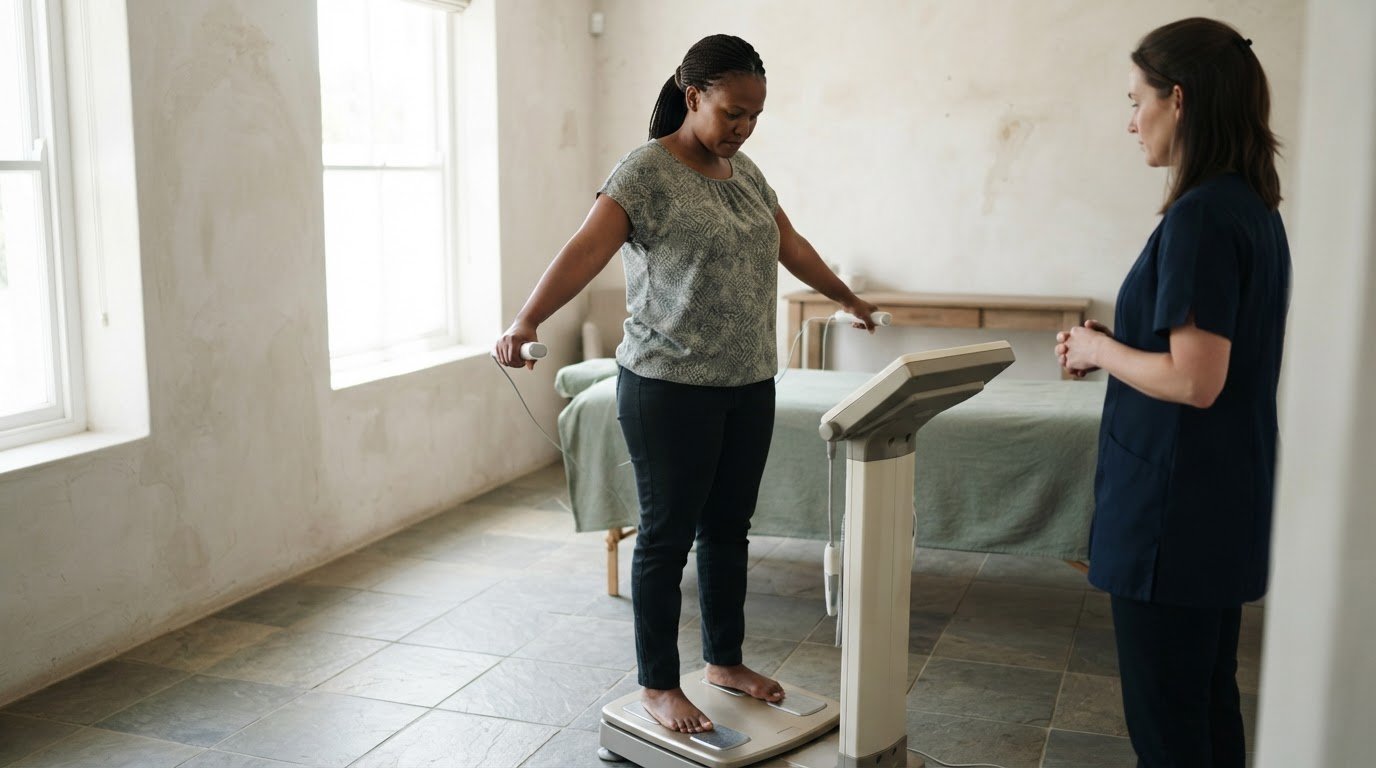
Postpartum belly fat is addressed through weight management, whilst loose skin calls for a skin-focused plan. If body composition is your focus, medical weight management and InBody 270 body composition analysis can help frame goals beyond scale weight alone. Track practical changes, such as how clothing fits, and note which outcome matters most to you before discussing treatment options.
What is a “Mummy Tummy”?
“Mummy tummy” is an informal phrase for a changed abdominal contour after pregnancy, not a medical diagnosis. The label doesn’t explain the cause. To describe your concern clearly, note where you see fullness, whether it changes with posture and what feels uncomfortable in everyday clothing. These details give a practitioner a more useful starting point than the phrase alone.
What treatments tighten loose belly skin after pregnancy in Sandton?
For post pregnancy belly tightening in Sandton, start by identifying the area and result you want to address. Skin-focused options may include laser treatments or microneedling. Ask how the proposed method applies to the abdomen, what changes it is designed to target and what aftercare it involves. This helps you understand the plan before deciding whether it suits your goal.
How long after giving birth should I wait before belly tightening treatments or surgery?
Wait until your recovery is under way before considering non-surgical treatment; surgery requires a separate assessment and timetable. Share your delivery date, recovery progress and any continuing abdominal symptoms during that discussion. These details help distinguish readiness for a skin-focused appointment from the planning needed for an operation. Don’t assume the same timing applies to every treatment type.
What are the risks and recovery times for tummy tuck and non-surgical belly tightening?
Risks and recovery depend on the method, treatment area and your health. Before a tummy tuck, ask the surgeon to explain relevant complications, aftercare, activity restrictions and follow-up. For non-surgical treatment, ask what temporary effects may occur and what care is recommended afterwards. Clear answers help you plan for recovery and understand when to seek clinical advice.