Skincare
Non Invasive Fat Reduction in North Riding: Results and Care
· The Glow Up Society
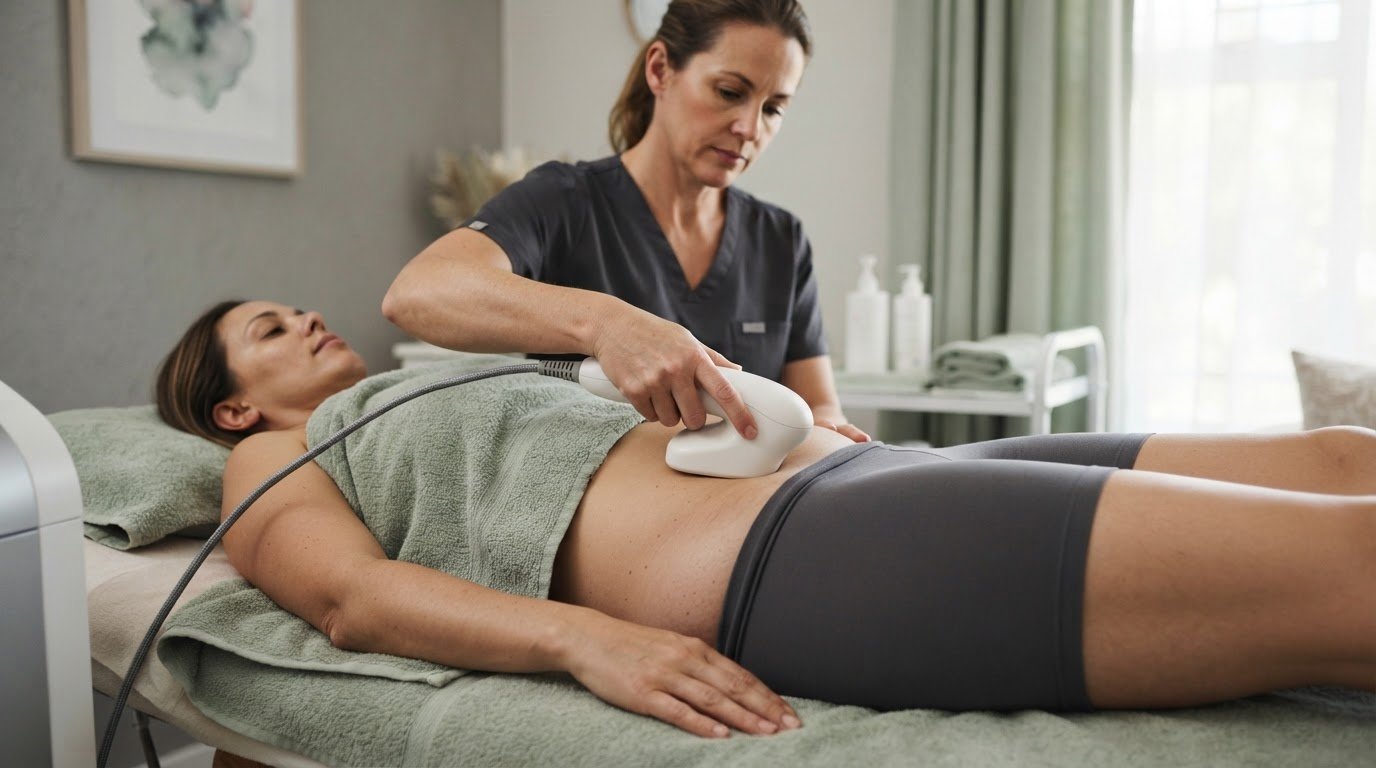
Could a treatment that avoids surgery still have side effects? Yes. Side effects are possible, and what you may experience with non-invasive fat reduction in North Riding depends on the method used and your individual response.
It’s sensible to understand possible effects before deciding whether treatment feels right for you. You’ll also want a clear picture of how long a session may take, how many sessions could be involved, and what preparation and recovery may look like.
This guide explains what can shape your experience and the results you might expect, including the role of maintenance. It offers a practical starting point for weighing your options and identifying the questions to ask when considering body-contouring treatments.
Key Takeaways
- Learn which factors shape visible results and why maintaining them involves more than the treatment itself.
- Understand the possible side effects and personal considerations that matter when weighing your options.
- See how treatment time and session plans can vary according to the method and area being treated.
- Compare the approaches behind cryolipolysis, radiofrequency, ultrasound cavitation and laser fat reduction before deciding what to explore.
Table of Contents
- Expected results and maintenance
- Are there any side effects?
- Treatment duration and sessions
- What are the differences between cryolipolysis, radiofrequency, ultrasound cavitation and laser fat reduction?
- The Glow Up Society
Expected results and maintenance
Non-invasive fat reduction aims to change the contour of a chosen area, not produce whole-body weight loss. Your expected result depends on the treatment method, the area addressed and the outcome you want. For example, a goal focused on the abdomen differs from one focused on the thighs. A clear, specific goal makes it easier to assess whether a treatment plan suits your priorities.
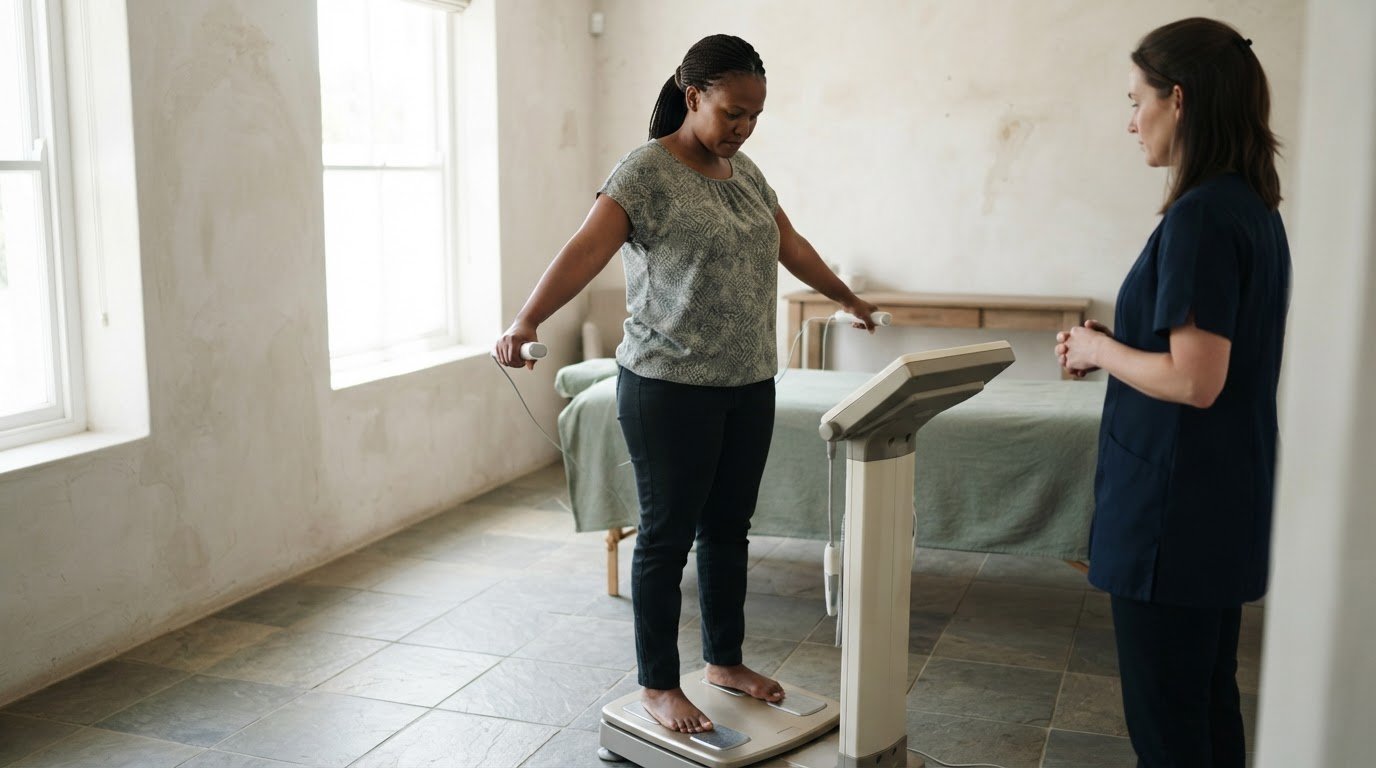
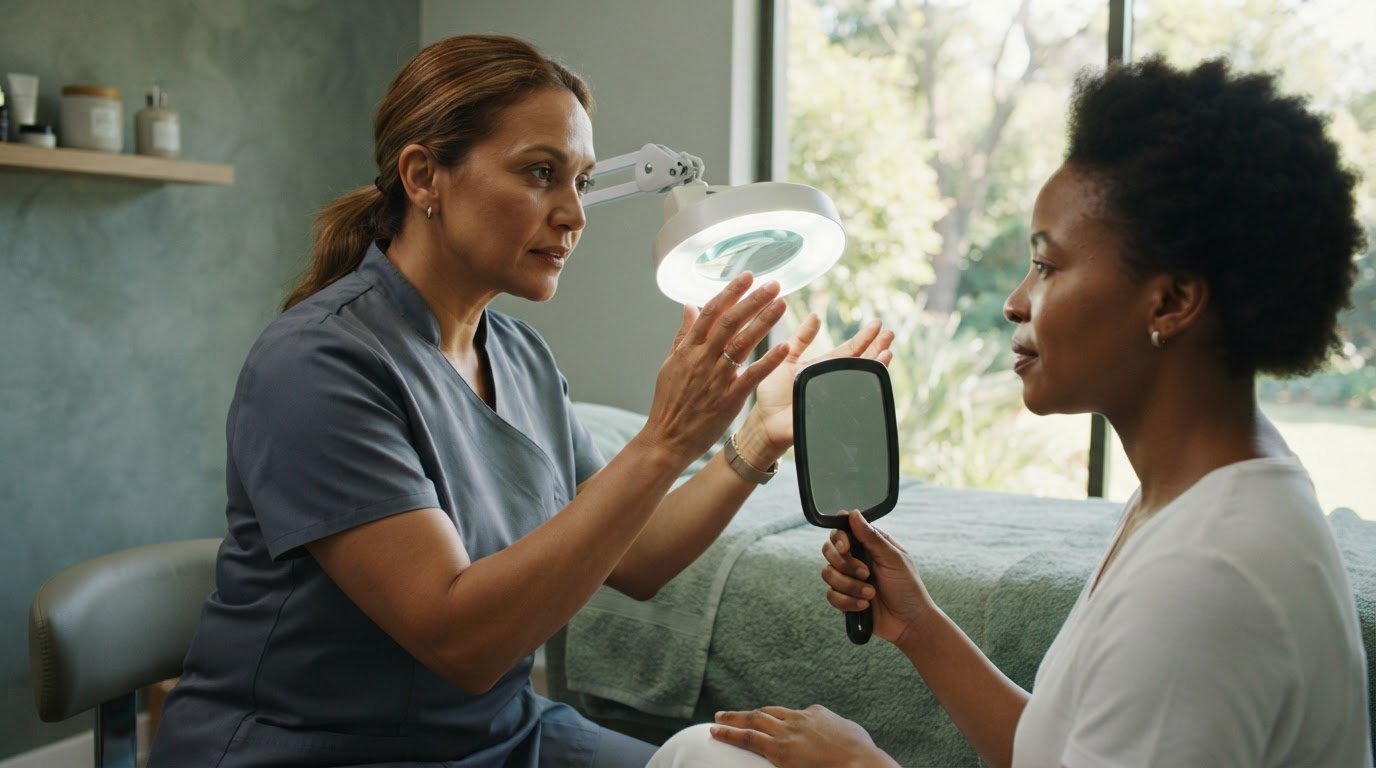
Assess changes consistently rather than relying on memory. Before treatment, note the area you want to address and what you hope will look different. Afterwards, use the same view, posture and lighting to review progress. This helps you distinguish a visible contour change from everyday differences in clothing, posture or how you feel.
- Define the area: identify the body zone and the change you want to see.
- Keep comparisons consistent: use the same clothing, stance and lighting.
- Review the goal: consider whether the change matches your original priority.
Maintenance is part of the plan, not a separate promise. A body-contouring session does not replace habits that support your overall wellbeing. Keep regular meals, movement and hydration in your routine, and consider how changes in those habits may affect your body over time. Track changes in clothing fit or your preferred silhouette, rather than expecting treatment to manage your weight.
For non-invasive fat reduction in North Riding, discuss your target area and maintenance expectations before choosing a method. Ask how progress will be reviewed and what the treatment is intended to address. A suitable plan links the method to your goal, explains how to assess the result and gives you a practical way to support your wider wellbeing. If your main aim is overall weight change, body contouring alone is not a substitute for a weight-management approach.
Are there any side effects?
Non-invasive fat reduction may suit adults seeking contour changes in a localised area rather than overall weight loss. Depending on the device, areas discussed may include the abdomen, flanks or thighs. Suitability varies by method and health history.
When considering a clinic in South Africa, ask who performs the procedure, what training they have for the specific device, and how they screen clients. Ask to see the equipment information and find out how consent, hygiene and aftercare are managed.
Side effects depend on the technology and treatment area. Possible reactions can include temporary skin discomfort or visible changes where the device was applied, but the type and duration vary. The practitioner should explain the expected response for the method being considered, as devices are not interchangeable.
Before booking, share relevant health conditions, medicines, implants and recent procedures. These details can affect whether a particular technology is appropriate. Disclose an implanted device even if the planned treatment area is elsewhere. The practitioner can then consider the device instructions alongside your circumstances.
- Ask about the device: request its name and an explanation of how it acts on the treated area.
- Discuss screening: understand what health information is reviewed before treatment.
- Clarify aftercare: ask which reactions are expected and what symptoms need prompt medical attention.
Pause treatment if the explanation is unclear or your questions about risks remain unanswered. A sound consultation should cover the intended area, likely sensations, possible reactions and what to do if you feel unwell. Seek medical advice for severe, worsening or persistent symptoms after a procedure. Increasing pain or a skin change that does not settle deserves attention, rather than guesswork or self-treatment.
For non-invasive fat reduction in North Riding, use the consultation to discuss your goal and the specific technology proposed. This helps you understand the likely treatment experience and the safety considerations relevant to you.
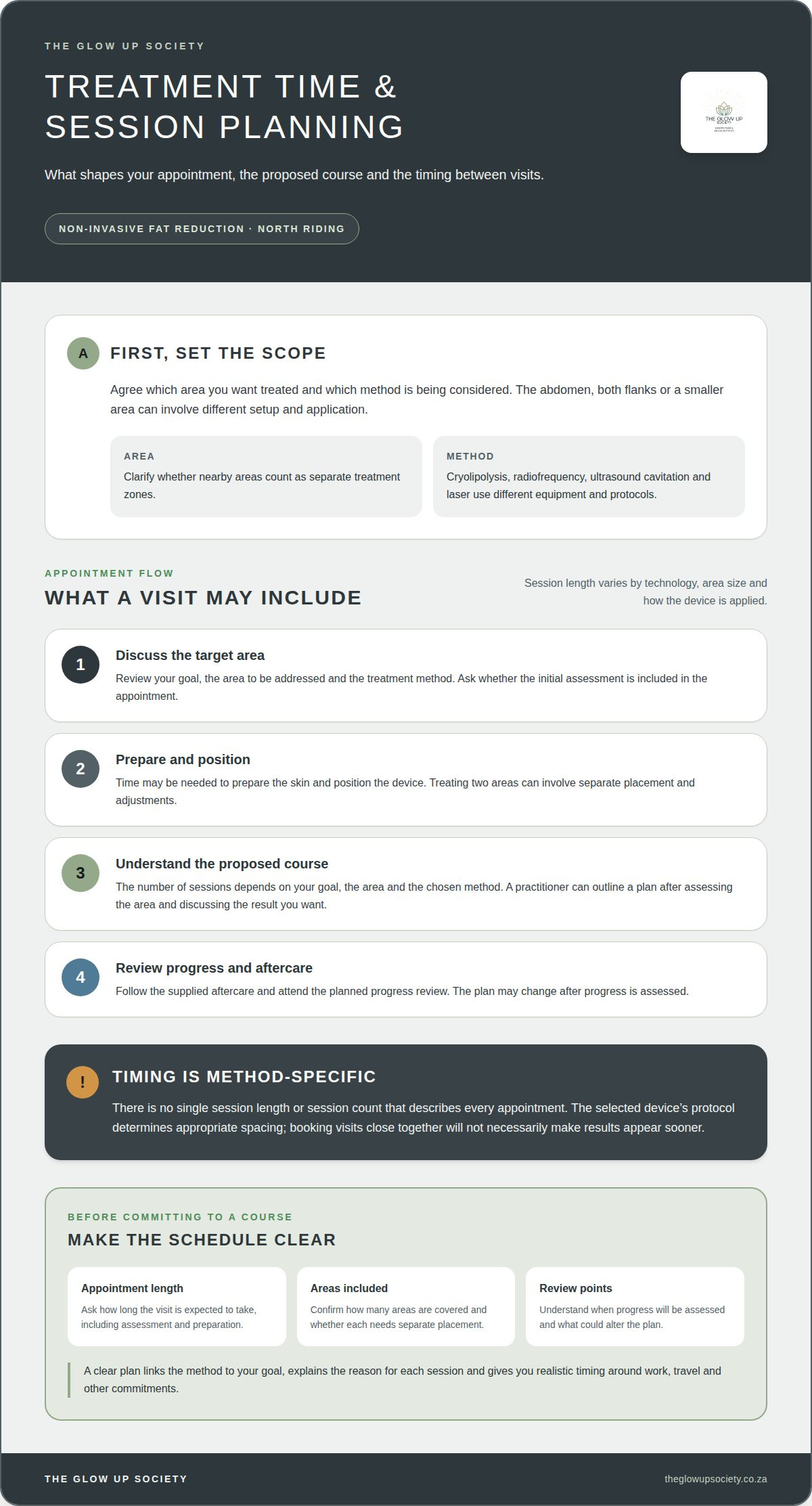
Treatment duration and sessions
Session length depends on the technology, the size of the treatment area and how the device is applied. Treating a small area may involve a different setup from treating the abdomen or both flanks. Cryolipolysis, radiofrequency, ultrasound cavitation and laser treatments also use different equipment and protocols, so one timing estimate cannot describe every appointment.
Allow for more than the time spent using the applicator. A visit may include discussing your target area, preparing the skin, positioning the device and reviewing aftercare. Treating two areas can involve separate placement and adjustments. Ask how the appointment is structured, including whether the initial assessment is part of the visit.
The number of sessions depends on your goal, the area and the chosen method. A practitioner can outline a proposed course after assessing the treatment area and discussing the result you want. The plan may change after progress is reviewed. It should explain the intended area, the reason for each session and when progress will be assessed.
- Before the appointment: agree on the area and the treatment method.
- During planning: clarify the expected session sequence and review points.
- After each session: follow the supplied aftercare and attend the planned progress review.
Keep your schedule realistic. Work, travel across Johannesburg and other commitments may affect which appointment times suit you, while the treatment protocol determines appropriate spacing. Booking sessions close together will not necessarily make results appear sooner. The practitioner should explain the timing for the selected device and use progress to guide any further treatment.
Before committing to a course, ask for the estimated appointment length, how many areas are included and what might alter the plan. If the abdomen is your focus, clarify whether nearby areas count as separate treatment zones. A clear schedule helps you plan around each visit without treating session numbers or duration as universal standards.
What are the differences between cryolipolysis, radiofrequency, ultrasound cavitation and laser fat reduction?
These four approaches use different forms of energy, so their treatment experiences and intended effects are not interchangeable. The device, treatment area and your goals all matter. Ask which technology is being used, what it is designed to do, and how the practitioner will assess whether it suits your needs.
- Cryolipolysis: uses controlled cooling applied through an applicator to a selected area. Ask how the device is positioned and what sensations to expect during treatment.
- Radiofrequency: delivers energy that warms tissue. Clarify how the practitioner monitors the treated skin and whether the aim is contouring, skin appearance, or both.
- Ultrasound cavitation: uses ultrasound energy delivered through a device against the skin. Ask how the treatment area is selected and what the session involves.
- Laser fat reduction: uses laser energy directed at a treatment area. The device design and protocol influence how the session is carried out.
Those differences affect practical details, too. A cooling applicator feels different from a device that warms or moves across the skin. The treatment head’s shape can also affect which areas it can reach. Where relevant, ask the practitioner to show how the chosen equipment will contact your abdomen, flank or thigh.
Compare methods by matching their mechanism to your priority, rather than choosing by name alone. If you want a localised contour change, discuss how the proposed method targets that area. If skin firmness is also a concern, ask whether the treatment addresses that goal or focuses on fat reduction. Its purpose should be clear before you proceed.
Request the device name, treatment rationale and aftercare guidance during your consultation. Then compare the proposed plan with your desired outcome and comfort preferences. For support exploring aesthetic care options, discover available aesthetic treatments.
The Glow Up Society
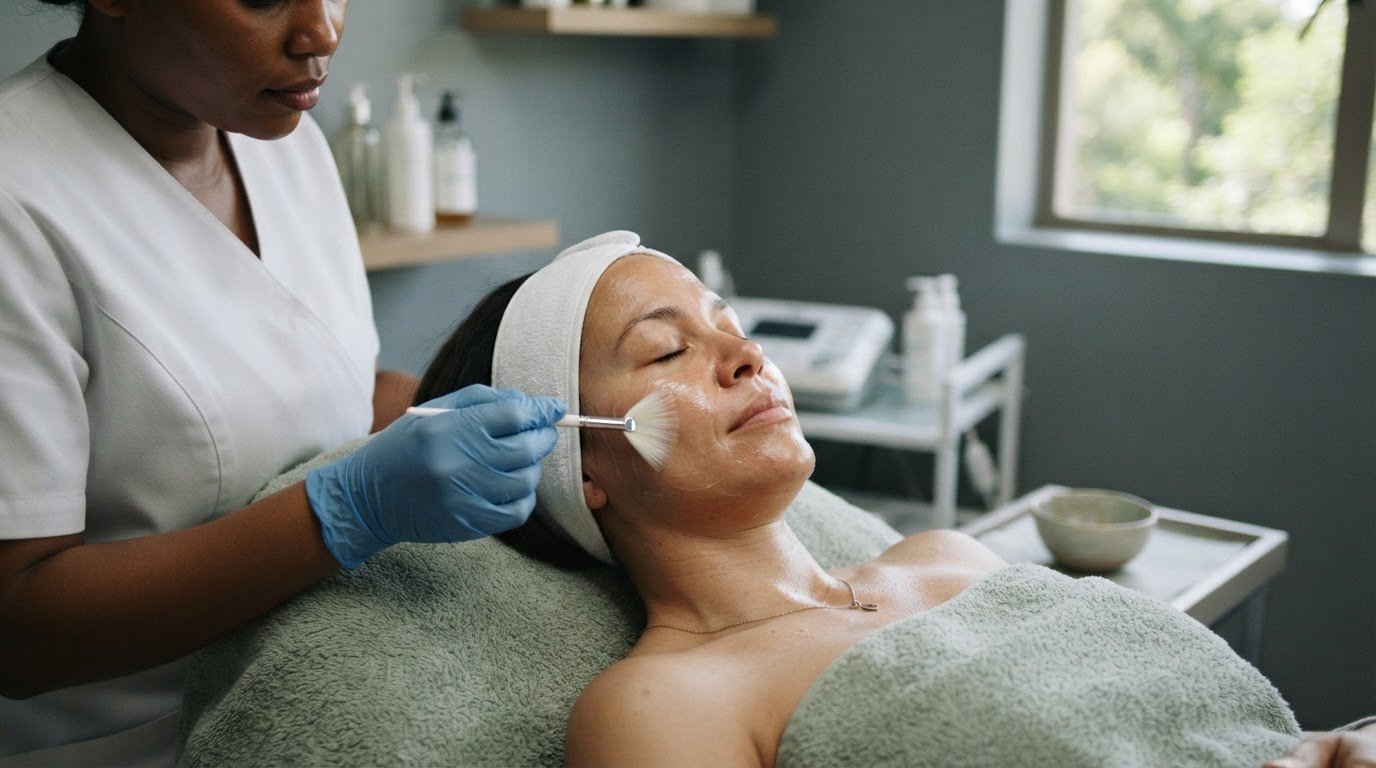
The Glow Up Society offers skin-focused treatments that may complement your personal goals. If your questions extend beyond body contouring to skin texture, clarity or radiance, its GA, LHA and retinol peels and Optiphi Microneedling provide options for those concerns. These treatments address different concerns from fat reduction, so they are not substitutes for body-contouring methods.
Turn to The Glow Up Society when you’d like to discuss how a skin treatment may fit your wider self-care priorities. A conversation can clarify the concern you want to address and which treatment category is relevant. Keeping your goal specific, such as improving the appearance of skin texture, makes the discussion more useful.
Contact The Glow Up Society to discuss your aesthetic care goals.
Choose a next step that feels right for you
Before choosing non-invasive fat reduction in North Riding, decide what you want to change and what would make a treatment plan feel comfortable. A focused conversation can help you explore whether body contouring fits that goal or whether another kind of support is more appropriate. Your suitability and likely outcome depend on your health, treatment area and chosen method.
Bring your priorities and relevant health information to the discussion. You can then consider the proposed approach with a clearer sense of its purpose, practical demands and place in your wider wellbeing routine. Take the time you need to make a considered choice.
For a calm conversation about your aesthetic care goals, contact The Glow Up Society. A thoughtful next step can begin with a simple conversation.
Frequently Asked Questions
Does it hurt?
The sensation varies by device and person, so treatment isn’t necessarily pain-free. You may notice cooling, warmth, pressure or movement as the applicator works. Tell the practitioner promptly if a sensation becomes uncomfortable, rather than trying to tolerate it silently. Before starting, agree on how you’ll communicate during treatment and how the practitioner will respond if you need a pause.
What are the risks, side effects and contraindications of non-invasive fat reduction?
Risks and possible reactions differ between cryolipolysis, radiofrequency, cavitation and laser treatments. A single general list of contraindications cannot determine suitability for every device. Share relevant medical history and medicines, then ask which device-specific factors apply to you. The practitioner should explain possible reactions and what to do if they occur. Don’t assume one method is suitable simply because you tolerated another in the past.
How long do results last, and how do non-invasive treatments compare with liposuction?
Results can change as your body changes, so no treatment should be viewed as permanent protection against future contour changes. Non-invasive methods aim to address a selected area without surgery; liposuction is a surgical procedure, not an equivalent treatment. The approaches differ, and expected outcomes should be discussed separately. Consider your priorities, tolerance for treatment and recovery, and overall health goals before deciding.