Skincare
GA Peel in Fourways: A Personalised Guide to Your Treatment
· The Glow Up Society
Could a GA peel suit your skin without disrupting the routine you rely on? It’s natural to want clearer, more refreshed-looking skin while wondering what “GA” means, whether treatment may feel uncomfortable and how much visible peeling or recovery time to expect. If you’re considering a GA peel Fourways, start by understanding your skin goals and discussing whether this option is appropriate for you.
At The Glow Up Society in Fourways, GA peels form part of a personalised skincare offering. GA stands for glycolic acid, an ingredient used in chemical peels, but the treatment approach and your skin’s response can vary. This guide explains what a GA peel is generally designed to address, which skin and routine factors matter, and what to discuss before treatment. You’ll also find guidance on comfort and recovery, so you can make an informed decision.
Key Takeaways
- GA commonly refers to glycolic acid, but a peel’s formulation and intended purpose depend on the treatment and your skin assessment.
- A thoughtful treatment plan starts with your goals, current skin condition and skincare history.
- A GA peel may not suit everyone, and temporary sensitivity or irritation is possible.
- When considering a GA peel Fourways, look for individual suitability, clear guidance and realistic expectations.
- The Glow Up Society offers GA peels in Fourways as part of a personalised skincare approach.
Table of Contents
- What Is a GA Peel in Fourways and What Does It Do?
- How a GA Peel Works: From Skin Assessment to Treatment Planning
- GA Peel Suitability: Addressing Concerns About Irritation and Results
- Choosing a GA Peel in Fourways: Questions to Guide Your Decision
- Explore a GA Peel at The Glow Up Society in Fourways
What Is a GA Peel in Fourways and What Does It Do?
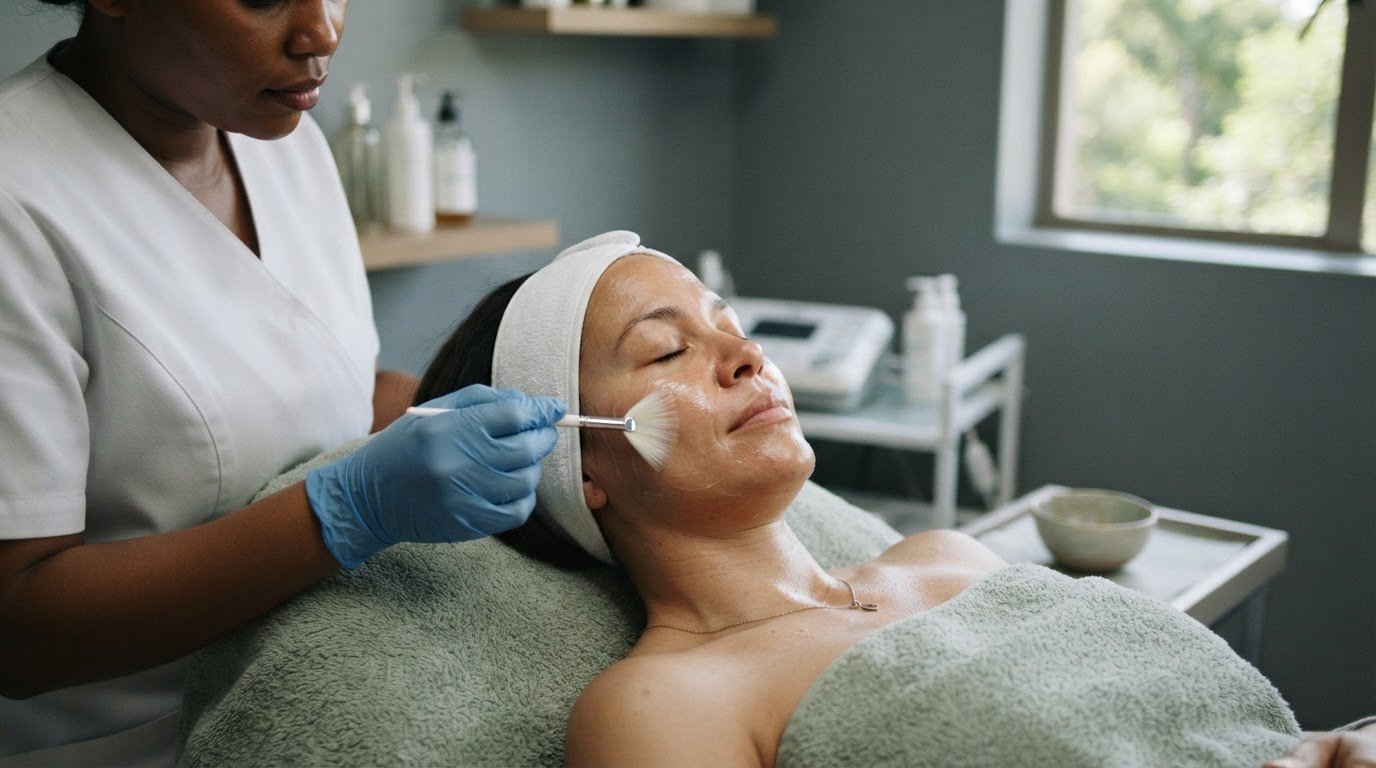
GA commonly refers to glycolic acid, an ingredient used in a chemical peel. A GA peel is a professional skincare treatment in which a glycolic-acid formulation is applied to exfoliate the skin’s surface. The formulation, treatment plan and intended outcomes depend on the product used and an assessment of your skin.
In plain terms, a GA peel is a glycolic-acid-based professional exfoliation treatment selected according to your skin and skincare goals. It isn’t an instant or universal fix. Dullness, uneven-looking tone or texture may be reasons to discuss a peel, but no particular change is guaranteed, and one treatment won’t necessarily address every concern.
What does glycolic acid do in a peel?
Glycolic acid belongs to a group of ingredients called alpha hydroxy acids, or AHAs. In a peel, it exfoliates the outer surface of the skin by loosening the bonds between surface cells. Chemical peels vary by type and formulation; the Chemical peel overview provides further background on the treatment category.
General information about glycolic acid doesn’t tell you the strength, application method or timing of a particular treatment. Those details depend on the formulation and practitioner’s assessment. A GA peel Fourways appointment is therefore a discussion about your skin, not a standard process that is identical for everyone.
Which skin goals might prompt someone to consider a GA peel?
You might ask about a GA peel if your skin seems dull, feels uneven in texture or has areas of uneven-looking tone. These are starting points for discussion, not a diagnosis or a promise that a peel will resolve the concern. Your practitioner needs to understand what you’ve noticed and assess whether this type of exfoliation is appropriate for your current skin condition.
Useful context includes how sensitive your skin tends to be, whether it’s currently irritated, your past experience with peels and any history of pigmentation changes. Skin tone also matters: glycolic acid can be used across a range of skin tones, but pigmentary complications are a consideration, particularly for darker skin. An individual assessment helps weigh your aims against possible sensitivity or irritation.
At The Glow Up Society in Fourways, GA peels sit alongside LHA and retinol peels in a wider skincare offering. These are different options, not interchangeable answers to every skin concern. Your goals and skin history help inform the approach. A clear discussion can help you understand whether a GA peel belongs in your skincare plan or whether another option may be more suitable.
How a GA Peel Works: From Skin Assessment to Treatment Planning
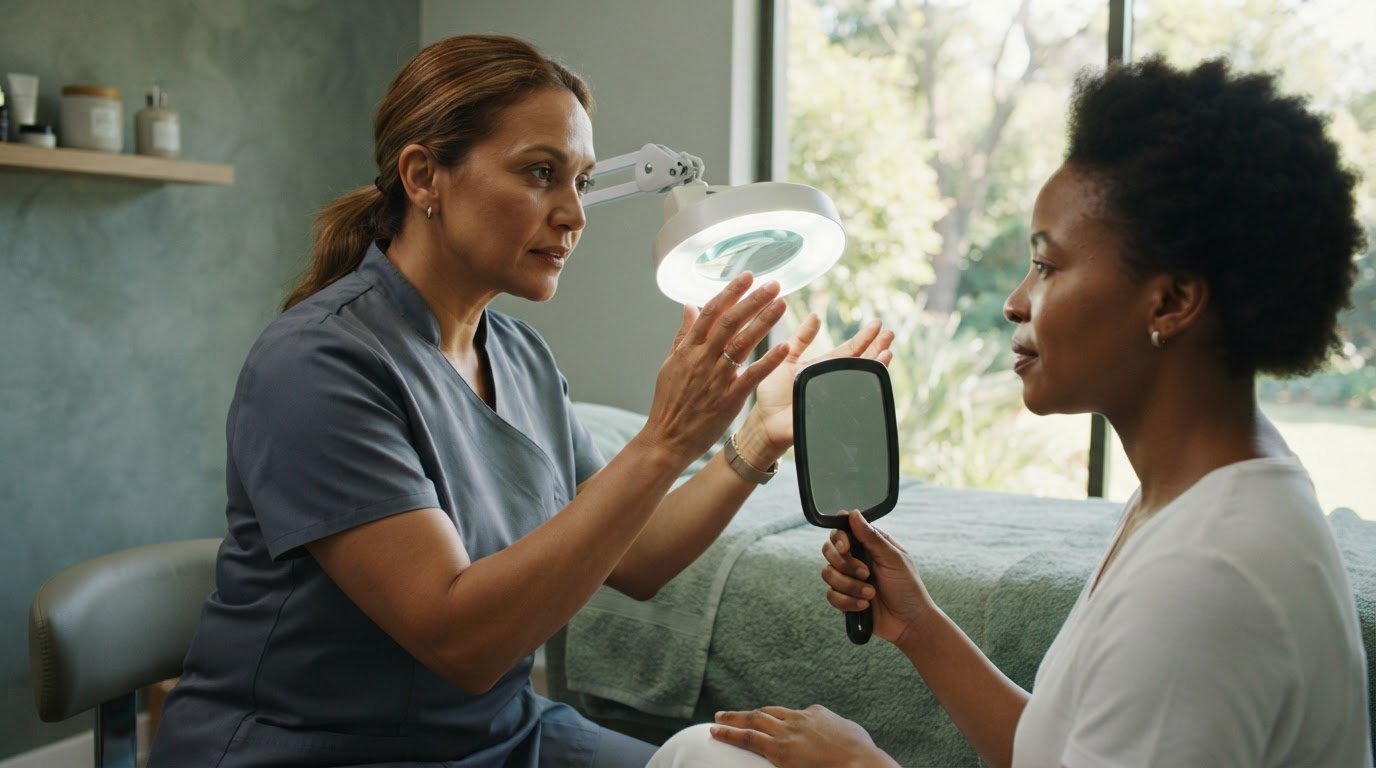
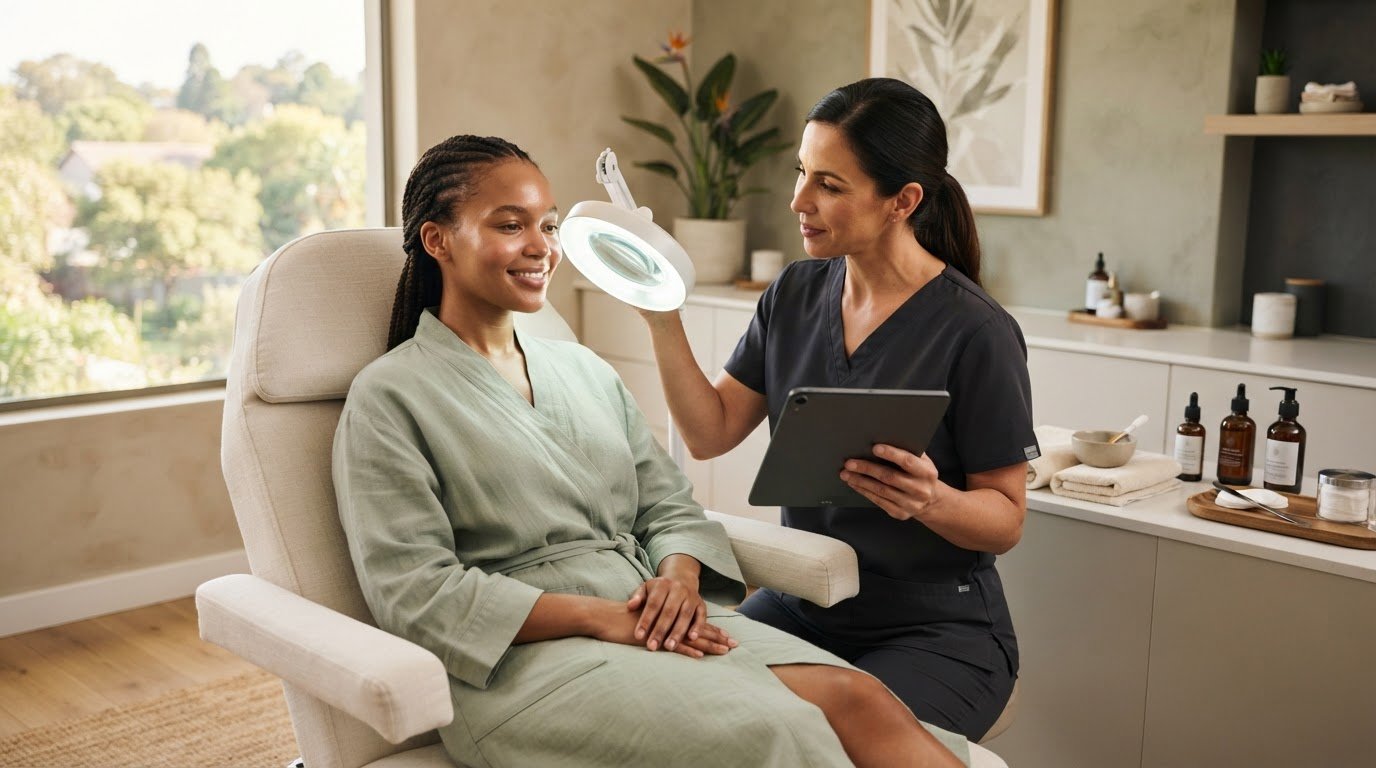
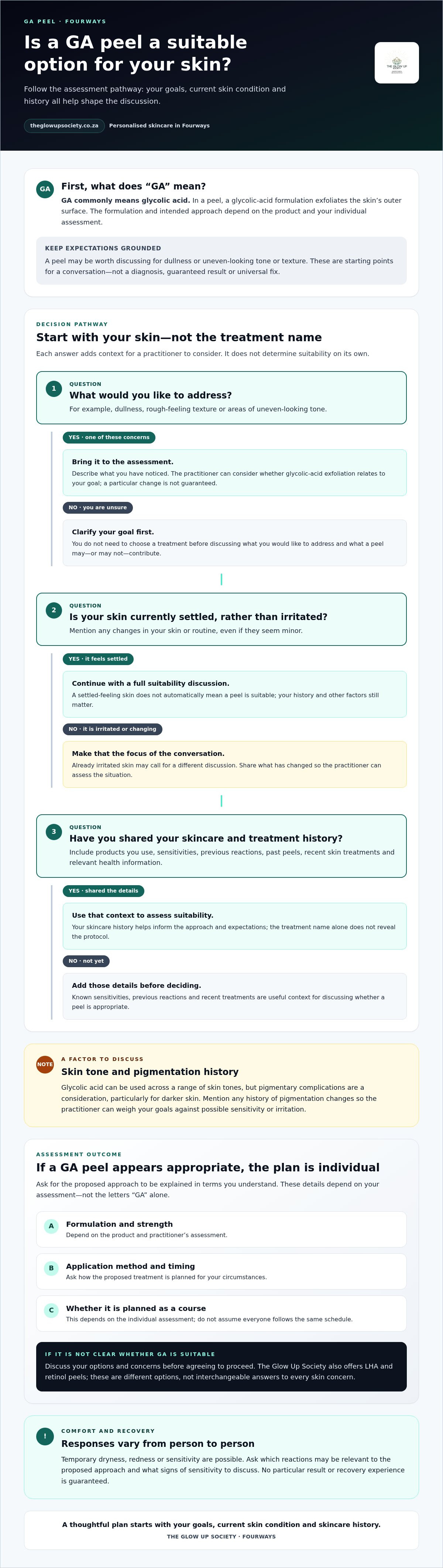
A considered peel plan begins with a conversation, not a one-size-fits-all formula. You and the practitioner clarify your goals, review your skin’s current condition and skincare history, consider suitability, and agree on an approach. This helps ensure the treatment reflects your circumstances rather than assumptions about what a peel should do.
Skin assessment connects your goals and history with an approach that suits your current skin condition. It also creates space to discuss what a peel may contribute and what it cannot promise.
What happens during a skin assessment?
Before your assessment, think about what you’d like to address, such as rough-feeling texture or a lack of radiance, and note the products you use. Share known sensitivities, previous reactions, recent skin treatments and relevant health information. This gives the practitioner context to discuss suitability and expectations before a treatment plan is agreed.
Be open about changes in your routine or skin, even if they seem minor. Skin that is already irritated, for example, may call for a different discussion from skin that feels settled. The assessment is a collaborative conversation, not a test you need to pass.
How is a GA peel plan tailored?
If a GA peel appears appropriate, the practitioner’s guidance shapes the proposed protocol. The formulation, strength, application method and whether treatment is planned as a course depend on the individual assessment. Don’t assume these details from the treatment name alone. Ask for the plan to be explained in terms you understand.
Your skin’s response and your goals also matter. Someone seeking a smoother-looking surface may have different priorities from someone concerned about uneven-looking tone. The assessment helps the practitioner consider these aims alongside your skin’s current condition and history. You don’t need to settle on a treatment before those factors have been discussed.
Before agreeing to proceed, make sure you understand the proposed approach and have had the chance to raise concerns. Ask what the plan is intended to address, how your skincare history has been considered and what signs of sensitivity to discuss. Clear answers help you make a considered choice without expecting a particular result or assuming everyone follows the same schedule.
The Glow Up Society offers GA peels in Fourways as part of its personalised skincare services. Exploring the treatment with the Fourways skincare team is a practical next step towards understanding how it may relate to your skin goals.
GA Peel Suitability: Addressing Concerns About Irritation and Results
A GA peel isn’t automatically suitable for everyone. Your skin’s current condition, sensitivities and recent skincare or aesthetic treatments can all inform the decision. A thoughtful assessment weighs what you hope to address against how your skin may respond, without promising a particular result.
It’s reasonable to wonder whether a peel will cause discomfort or visible changes afterwards. Temporary dryness, redness or sensitivity are possible, although individual experiences vary. Your practitioner can explain which reactions may be relevant to the proposed approach and what to do if your skin reacts unexpectedly.
What factors can affect whether a GA peel is suitable?
Share a clear picture of your skin and routine during your assessment. Mention active concerns, products you use, known sensitivities, recent treatments and relevant medical history. For instance, skin that is already irritated may call for a different discussion from skin that feels settled. This context helps the practitioner consider suitability rather than relying on a single symptom or assumption.
Pigmentation concerns and skin phototype also deserve individual consideration. Glycolic acid may be used across a range of skin tones, but the possibility of pigmentary complications is one reason professional assessment matters, particularly for darker skin. Skin tone alone isn’t a simple yes-or-no test. Your overall skin condition and goals should inform the recommendation.
What results and reactions should you realistically expect?
Keep expectations measured. A peel may be considered as part of a skincare plan for concerns such as uneven-looking texture or tone, but visible changes aren’t guaranteed and responses differ. The treatment name alone can’t predict your result. The formulation, assessment and your skin’s individual response all matter, so avoid comparing your experience with someone else’s.
Temporary dryness, redness or sensitivity may occur, but the type and degree of response can vary. Ask which reactions are relevant to your proposed treatment and what to do if your skin feels more uncomfortable than expected. If an unexpected or concerning reaction develops, follow your practitioner’s advice and contact them for guidance. Don’t try to manage it by adding new active products or changing your routine without advice.
Discuss preparation and aftercare as part of your treatment guidance, since both depend on the individual plan. For a GA peel Fourways appointment, sharing your concerns openly gives the practitioner a better basis for discussing suitability, possible sensitivities and realistic expectations. You can then decide whether the proposed approach feels right for your skin and routine.
Choosing a GA Peel in Fourways: Questions to Guide Your Decision
A useful treatment discussion should leave you clear on why a GA peel is being considered, how the proposed approach relates to your skin and what expectations are realistic. Bring your questions, describe your routine honestly and take time to understand the recommendation before deciding.
For a GA peel Fourways discussion, these questions can help focus the conversation:
- How does this peel relate to my skin goals? Ask the practitioner to explain its intended purpose in relation to what you’d like to address.
- What informs your view of my suitability? Discuss how your current skin condition, sensitivities, skincare products and previous treatments shape the recommendation.
- What response might I notice? Ask which skin reactions may be relevant and what guidance to follow if your response differs from expectations.
- How might recovery fit my routine? Talk through recovery guidance in the context of work, social plans and your usual skincare habits.
- What would make you reconsider the plan? This can clarify how the practitioner accounts for changes in your skin or new information during assessment.
Clear, individual answers matter more than being told a particular peel is right for everyone. A considered discussion connects the recommendation to your circumstances and avoids promising a specific result.
Questions to discuss before deciding on a GA peel
Share the products you use, including active skincare ingredients, and mention any sensitivities or previous reactions. Include recent treatments, even if they weren’t peels. This context helps the practitioner assess your skin’s current state and explain the proposed plan. If preparation or recovery steps are recommended, ask how they fit into your routine and make sure you understand the guidance before treatment.
It’s also reasonable to ask how progress will be considered and whether the approach may change based on your skin’s response. The aim is to understand the plan and feel comfortable with your decision, not to secure a guaranteed outcome.
When might another peel or skin treatment be discussed?
GA, LHA and retinol peels are distinct options. Which one is discussed depends on the assessment, your skin goals and the practitioner’s judgement, rather than a universal ranking. The Glow Up Society offers all three peel types as part of its wider skincare services. If microneedling is also being considered, compare the options in relation to your specific goals and assessment.
A measured choice is a useful one. To explore your skin goals and discuss a personalised peel approach, book a GA peel discussion with The Glow Up Society.
Explore a GA Peel at The Glow Up Society in Fourways
The Glow Up Society is a skincare and medical aesthetics clinic in Fourways, offering GA peels alongside LHA and retinol peels. If you’re looking for a GA peel Fourways option, the clinic provides a local setting to explore whether this treatment aligns with your skin goals and individual needs.
Fourways is convenient for nearby communities including Sandton, Lonehill, Kyalami, Bryanston and North Riding. An enquiry is an opportunity to explain what you’d like to address, describe how your skin behaves and understand the next steps. You don’t need to arrive with a fixed treatment decision.
What a personalised GA peel conversation can cover
A useful discussion connects your goals with your skin’s condition and your home routine. Sharing current products, known sensitivities, relevant health information and previous treatment experiences can inform the suitability conversation. The practitioner can then explain the proposed approach and what it is intended to address, without presenting a particular outcome as a promise.
For example, if you’re concerned about both uneven-looking texture and sensitivity, mention both rather than focusing only on the result you hope to see. The conversation should make room for your priorities and practical concerns, including how treatment guidance might fit your everyday routine.
- Describe the skin concern you’d most like to discuss.
- Mention products, sensitivities or previous treatment experiences that may be relevant.
- Ask what the proposed peel approach is intended to address and what expectations are realistic.
- Discuss recovery guidance and how it relates to your usual routine.
These details help make the discussion specific to you. The treatment plan should reflect individual assessment, not a standard promise or an assumption that the same peel suits everyone. The practitioner should explain the clinical details, including the protocol, in relation to the treatment being considered.
Take your next step in Fourways
If you live in Fourways or a nearby area, you can explore the clinic’s GA peel service and discuss your goals and suitability. This gives you the opportunity to understand the proposed approach and raise practical questions before deciding whether to proceed.
Explore GA peel treatments at The Glow Up Society and start an informed conversation at your own pace. A calm, individualised discussion can help you make a decision that feels comfortable.
Make Space for a Thoughtful Next Step
Choosing a treatment doesn’t need to happen in a rush. Consider what you’d like your skincare routine to support, then bring your questions to a conversation where your individual needs guide the discussion. This gives you room to understand the approach and decide whether it feels right for you.
If you’re exploring a GA peel Fourways, The Glow Up Society offers GA, LHA and retinol peels as part of its skincare treatments. Based in Fourways, the clinic serves nearby communities including Sandton, Lonehill, Kyalami, Bryanston and North Riding, with a local setting to discuss your skin goals and treatment options.
Explore GA peel treatments at The Glow Up Society and take the time to make an informed choice. Start with a clear discussion about your skin goals and book a GA peel conversation with the team.
Frequently Asked Questions
What is a GA peel?
A GA peel is a glycolic acid peel, using an alpha hydroxy acid in a professional exfoliating treatment. The formulation and practitioner’s protocol shape how it’s used, so the name alone doesn’t tell you its strength or approach. If you’re considering one in Fourways, bring your skin goals and current routine to an assessment. This gives the practitioner useful context to discuss whether it may suit you.
Is a GA peel suitable for sensitive skin?
It may suit some people with sensitive skin, but there isn’t a one-size-fits-all answer. Mention whether your skin stings with everyday products, becomes red easily or has reacted to exfoliants before. Include the products you use and any recent treatments. This helps the practitioner consider your circumstances and explain whether to proceed, adapt the approach or discuss another option.
Can a GA peel help with uneven-looking skin tone?
A GA peel may be considered in a skincare plan for uneven-looking tone, but it can’t guarantee a change. Tone variations can have different causes, so describe what you’ve noticed, where it appears and whether it has changed over time. The practitioner can assess your skin and discuss whether this peel fits your goals. Mention any history of pigmentation changes, as that can inform the conversation.
Does a GA peel make your skin peel visibly?
Visible flaking isn’t guaranteed after a GA peel. Your skin might instead feel dry or sensitive, or look temporarily red. The response depends on the treatment and your skin. Don’t judge the treatment’s effect by whether you see visible peeling. Before proceeding, ask what reactions are possible with the proposed protocol and who to approach for guidance if your skin feels unusually uncomfortable afterwards.
How many GA peel treatments do you need?
There’s no fixed number of GA peel treatments that applies to everyone. The recommendation depends on your goals, assessment and how your skin responds, so a general course suggestion may not reflect your needs. Ask how the plan will be reviewed and what would guide any adjustment. This helps you understand the reasoning without committing to a schedule before your skin has been assessed.
Can you use skincare products after a GA peel?
Which products to use, and when, depends on the peel protocol and your skin’s response. Don’t assume that a product you tolerate every day, particularly an exfoliant or other active ingredient, is suitable immediately afterwards. Ask for clear, individual aftercare instructions and follow them rather than adding products based on general advice online.
Where can I get a GA peel in Fourways?
The Glow Up Society offers GA peels at its clinic in Fourways, serving nearby communities including Sandton, Lonehill, Kyalami, Bryanston and North Riding. You can discuss what you’d like to address, including your skincare routine or sensitivity concerns. Any recommendation should take your circumstances into account, so use the conversation to understand the approach before deciding whether to proceed.