Skincare
Dysport Treatments: What to Expect in Fourways
· The Glow Up Society
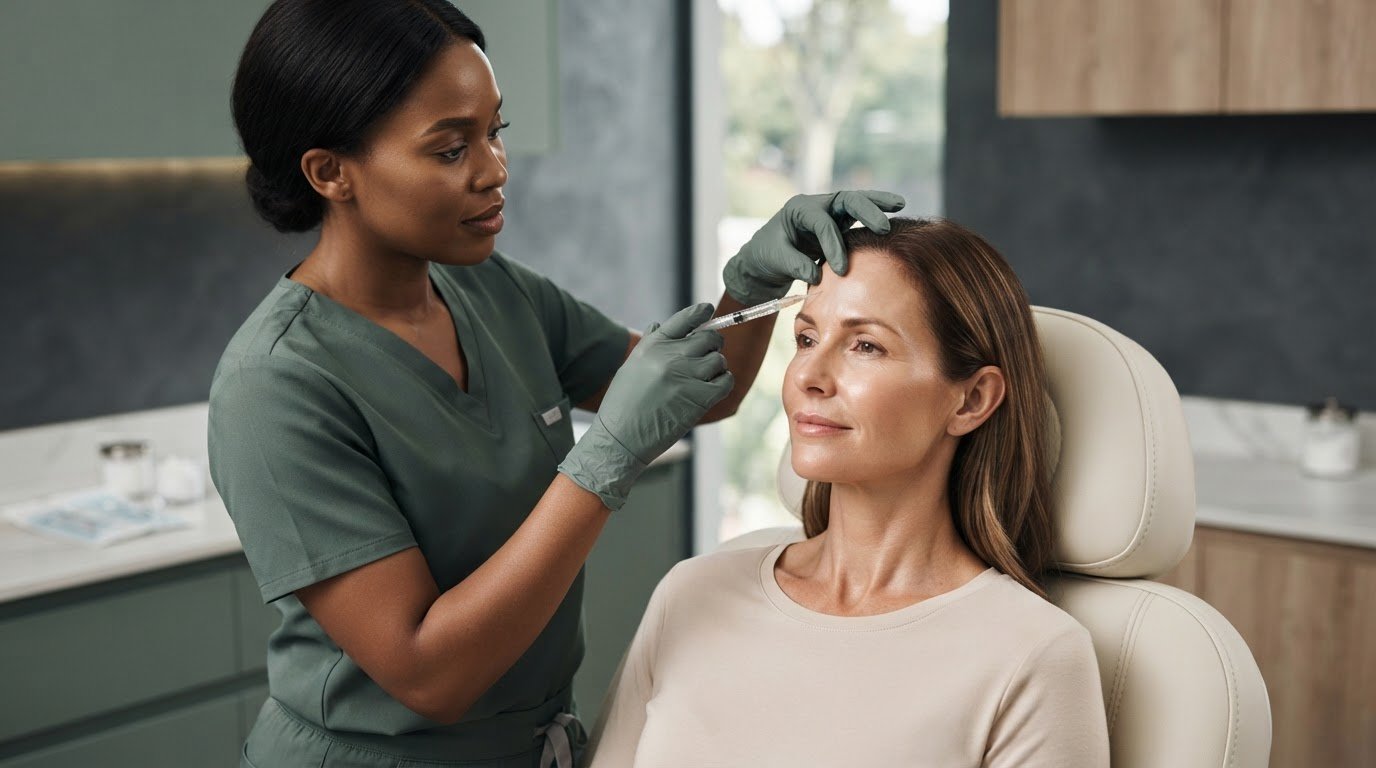
For expression lines, Dysport is a prescription botulinum toxin type A injection that temporarily relaxes targeted muscles. It is used for the temporary improvement of moderate to severe frown lines between the eyebrows in adults younger than 65 years.
It’s natural to wonder how Dysport compares with Botox, whether treatment feels manageable and what to expect afterwards. Understanding how Dysport works can help you approach a consultation with greater clarity.
This guide explains the differences between the treatments, common side effects and practical aftercare. It also looks at combining injections with other aesthetic treatments, helping you understand your options before discussing a plan in Fourways.
Key Takeaways
- Understand how injection areas and dosage are chosen to suit the muscles being treated and your aesthetic goals.
- Recognise common temporary reactions and learn which symptoms call for prompt medical attention.
- Prepare for treatment with practical aftercare guidance, including when to avoid rubbing the area or strenuous activity.
- Explore how movement-line injections differ from skin treatments, and what to consider when combining aesthetic approaches.
Table of Contents
- Can Botox® or Dysport® injections be combined with other aesthetic treatments?
- Common side effects
- Aftercare following injections
- Dysport and Botox differences
- The Glow Up Society: GA Peels
Can Botox® or Dysport® injections be combined with other aesthetic treatments?
Botulinum toxin type A injections temporarily relax selected muscles rather than treating the skin’s surface. For frown lines, an injector assesses facial movement and anatomy before selecting injection points and a dose. There is no single dose for everyone or every area. The aim is targeted relaxation while preserving natural expression.
Botox and Dysport are distinct products, not a combined formula. A treatment plan may pair either product with a separate skin treatment when the goals and timing are appropriate. This does not mean injecting both products into the same area. The injector considers the treatment areas, desired effects and recovery needs when planning the sequence.
Onset and duration vary. In the GL-1 study, 52% of subjects had onset at a median of 3 days. For frown lines between the brows, Dysport results may last up to 5 months per treatment. These findings offer context, not a personal timetable. The treated area and response influence what you experience.
Adult cervical dystonia is a medical use distinct from cosmetic frown-line treatment. Its treatment plan focuses on affected muscles and clinical needs, rather than aesthetic goals. An indication for cervical dystonia should not be confused with cosmetic use. South African registration and prescribing requirements are separate from indications or intervals described for other countries.
Is Dysport registered and approved for use in South Africa, and what are the rules for prescribing and administering it? Registration and use must be considered under South African requirements. An overseas indication alone does not establish local approval or prescribing rules.
How much does Dysport cost in South Africa? The price depends on the individual case and is provided after a quote request. The treatment area, dose and planned approach affect the cost.
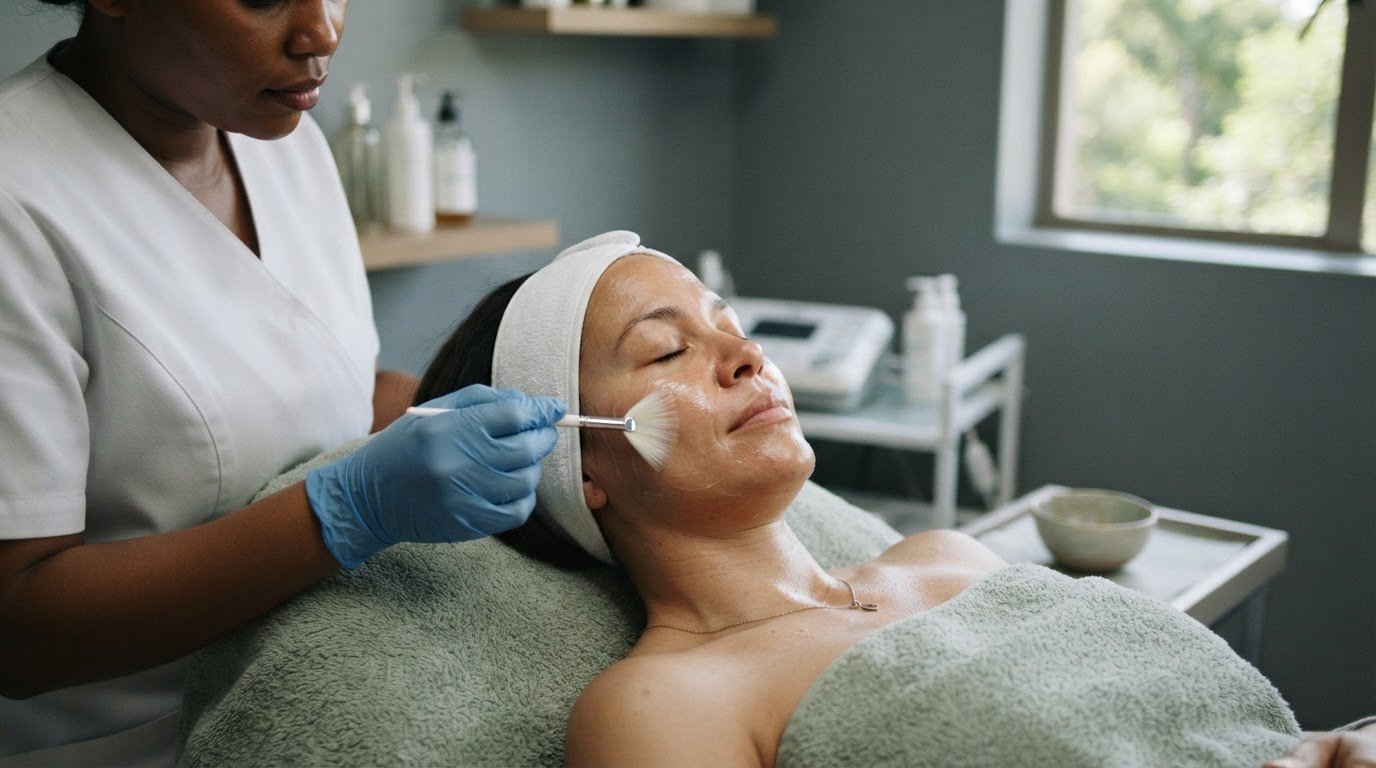
For skin texture or tone, a practitioner may consider a skin-focused treatment separately from muscle-relaxing injections. A peel, for example, works on the skin rather than the targeted muscle. Discussing the sequence can help coordinate treatment areas and aftercare when planning Dysport alongside other aesthetic care.
Common side effects
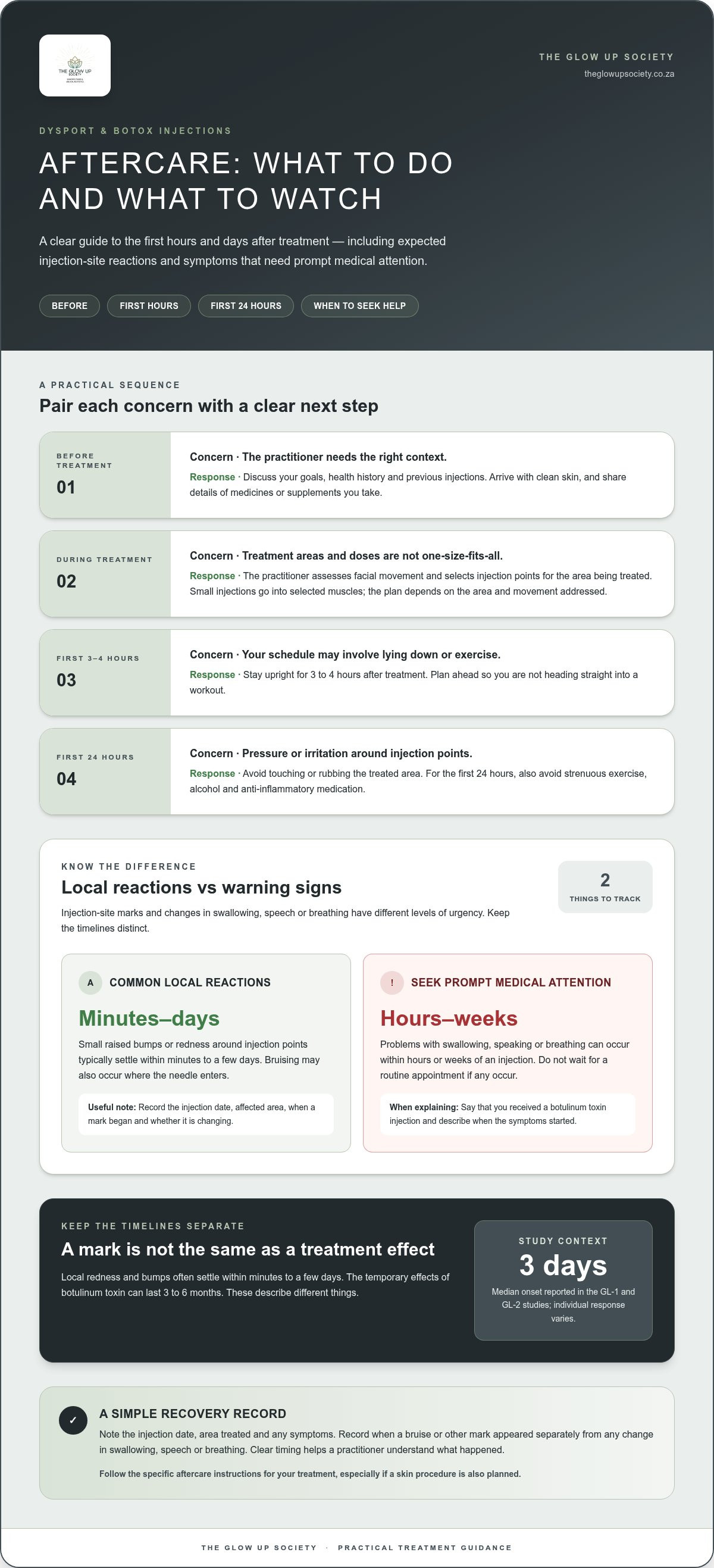
Small raised bumps or redness may appear around injection points after Dysport treatment. These local reactions typically settle within minutes to a few days. Bruising may also occur where the needle enters. Note the appearance of any injection-site mark and when it began, particularly if you’re tracking your response.
Effects can sometimes extend beyond the targeted area. After Dysport, problems with swallowing, speaking or breathing can occur within hours or weeks of an injection. These symptoms need prompt medical attention. Tell the medical professional you received a botulinum toxin injection and describe when the symptoms started.
Changes in swallowing, speech or breathing are important warning signs, whether they begin soon after treatment or later. Don’t wait for a routine appointment if any occur. Explain, for example, whether difficulty swallowing began on the treatment day or developed afterwards. Clear timing helps the medical professional understand the sequence of events.
The temporary effects of botulinum toxin can last 3 to 6 months. This refers to treatment effects, not the duration of redness or bruising. Local bumps and redness typically resolve within minutes to a few days, while changes in muscle activity follow a different course. Keep the two timelines distinct when observing your recovery.
After Dysport, make a brief note of the injection date, affected area and any symptoms. Record whether a mark is changing or a new concern has appeared. For instance, note the onset of a bruise separately from any change in swallowing or speech. This gives a practitioner a clearer account if you need advice.
If your interest is skin texture rather than muscle movement, consider aesthetic treatment options as a separate part of your care.
Aftercare following injections
Before treatment, discuss your goals, health history and previous injections with the practitioner. For frown lines, they assess your facial movement and identify suitable injection points. Arrive with clean skin and share details of any medicines or supplements you take. This gives the practitioner useful context before the injection.
During treatment, a practitioner gives small injections into selected muscles. Botulinum toxin type A blocks acetylcholine release, temporarily reducing muscle activity. Cosmetic uses include frown lines between the eyebrows, forehead lines and crow’s feet. Your treatment plan depends on the area and the movement being addressed.
Afterwards, stay upright for 3 to 4 hours. Avoid touching or rubbing the treated area for at least 24 hours. For the first 24 hours, avoid strenuous exercise, alcohol and anti-inflammatory medication. These steps help limit pressure or irritation around the injection points.
Plan your schedule around the aftercare instructions. For example, arrange treatment when you can remain upright afterwards, rather than immediately before a workout. Follow the specific instructions for your treatment, particularly if you’re also planning a skin procedure. Discuss the timing with the practitioner before adding other treatments.
Choosing an aesthetic injector starts with a careful consultation. Notice whether the practitioner asks about your health, assesses your facial movement and explains the intended injection areas. Before deciding, make sure you understand the proposed plan, expected effects and possible side effects. Clear answers help you make an informed choice.
Results don’t appear instantly. In the GL-1 and GL-2 studies, the median onset was 3 days; individual response varies. Keep your appointment details and note any changes after treatment. If you experience trouble swallowing, speaking or breathing, seek prompt medical attention, even if symptoms begin later.
Dysport and Botox differences
Both names refer to botulinum toxin products used to relax selected muscles. Their purposes can overlap, such as softening frown lines, but the products aren’t identical. Most importantly, their units and doses aren’t interchangeable. An injector selects a product and dose based on the treatment area, muscle strength, facial movement and desired effect. Comparing vial units alone won’t tell you which option suits your goals.
Onset is one measurable difference, although study results aren’t a direct product-to-product trial. In GL-1 and GL-2, the median onset of response for Dysport was 3 days. In GL-3, the median was 2 days. Botox results can take up to 2 weeks to fully develop in targeted areas. These figures describe different reported results, not a guarantee that one product will act faster for you.
Duration also needs careful comparison. For frown lines between the brows, Dysport results may last up to 5 months per treatment. No matching Botox duration figure is available here, so avoid treating that number as proof of longer-lasting results than Botox. The treated muscle, dose and individual response all influence the outcome. Ask how the proposed plan addresses your particular expression lines.
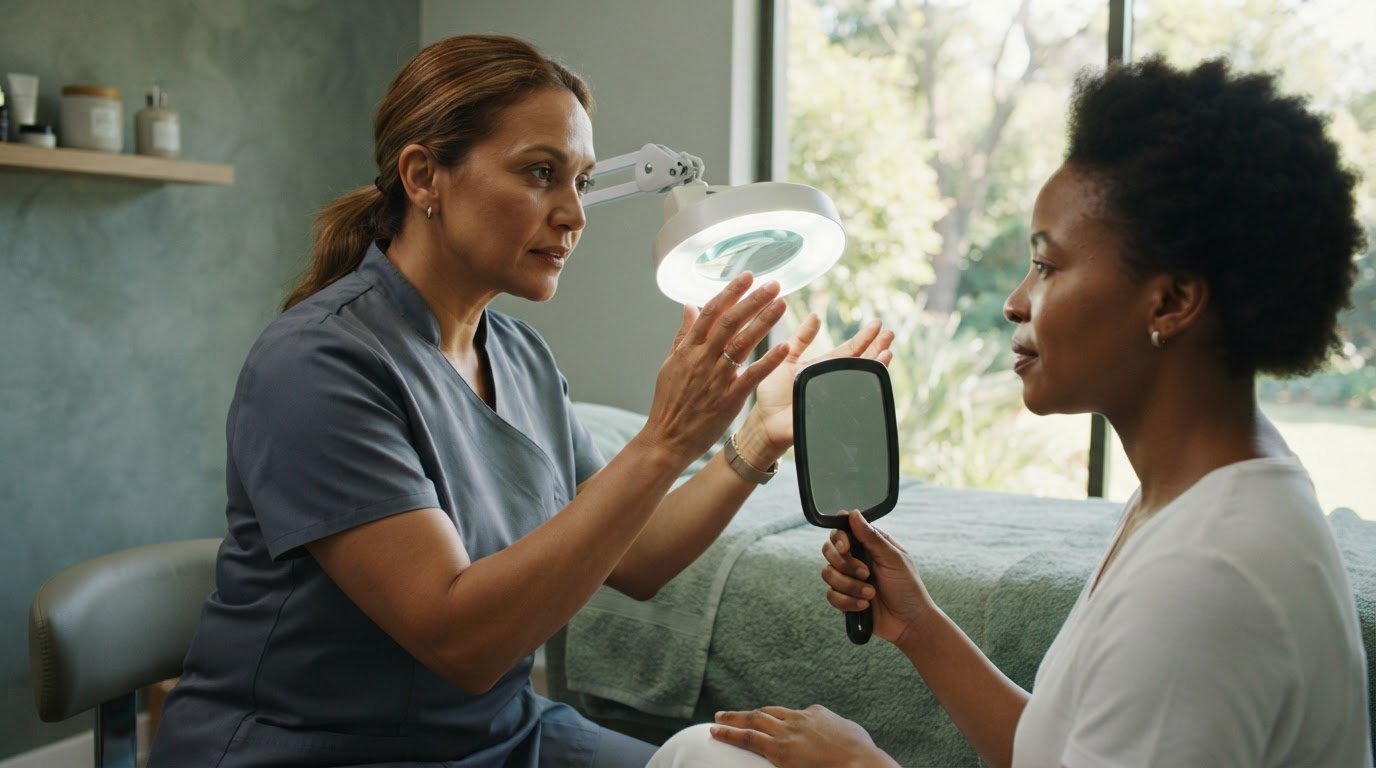
For a useful consultation, describe the movement you want softened, such as a furrow between your brows when concentrating. The injector can assess the muscle in motion, explain the product choice and discuss the dose and expected onset. A natural-looking result depends on matching the approach to your facial movement, not choosing by brand name alone. Also mention previous toxin treatments so the practitioner can consider your treatment history.
Choose based on the area, your goals and a clear explanation of the plan, not a simple “better” label. If your concern is skin texture rather than muscle movement, explore skin-focused aesthetic options as a separate route.
The Glow Up Society: GA Peels
The Glow Up Society offers GA Peels for concerns focused on skin rather than muscle movement. If your goal is to address skin texture or tone, a peel may be a more relevant option to discuss than injections. The treatment approach can be tailored to your skin and aesthetic goals.
Other options include LHA Peels, Retinol Peels and Optiphi Microneedling. Each is a distinct skin treatment, so choose according to the concern you want to address and the care your skin needs. Share any recent aesthetic treatments during your consultation, especially if you’re planning more than one approach.
For a considered next step, contact The Glow Up Society to discuss which skin treatment best suits your goals.
Choose a next step that feels right for you
Start by clarifying what you want to address. If your main concern is skin texture or tone rather than muscle movement, a skin-focused consultation may help you explore a suitable approach. The Glow Up Society offers GA Peels, LHA Peels and Retinol Peels for tailored skincare goals.
For Dysport, take your questions about treatment areas, timing and health history to a consultation with an appropriate practitioner. If you’re also considering skin treatments, discuss how those goals fit together before planning your care. A thoughtful conversation can help you choose an approach that feels personal and well considered.
Contact The Glow Up Society to discuss skin treatments that align with your goals. Take your next step at a pace that feels comfortable.
Frequently Asked Questions
What is DYSPORT?
Dysport is a prescription botulinum toxin type A medicine used in aesthetic treatment. For cosmetic use, it temporarily improves moderate to severe frown lines between the eyebrows in adults younger than 65 years. It works on muscle activity, so it isn’t a filler that adds volume beneath the skin. The exact treatment plan depends on the area being addressed and your facial movement.
How much Botox® or Dysport® is needed for each area?
There isn’t one dose that applies to everyone or every facial area. The injector considers the target muscle, how strongly it moves, your facial anatomy and the effect you want. For example, a consultation may include assessing your brow while you frown and at rest. Tell the practitioner about previous treatments and how your face responded, as this helps inform the discussion.
What Causes Wrinkles?
Some lines become visible as facial muscles repeatedly move the skin during expressions such as frowning or smiling. These are dynamic wrinkles, which appear with movement. A line between the eyebrows, for example, may deepen when you concentrate. Muscle-relaxing injections address movement-related lines by reducing activity in selected muscles; they don’t replace skincare or directly add volume to the skin.
What aftercare should you follow after receiving botulinum toxin treatment?
Plan your day so you can follow the practitioner’s aftercare guidance without rushing. Stay upright for 3 to 4 hours, and avoid rubbing the treated area for at least 24 hours. For the first 24 hours, avoid strenuous exercise, alcohol and anti-inflammatory medication. If you notice a new symptom, record when it began and contact a medical professional promptly if swallowing, speaking or breathing is affected.
What are the main differences between Botox® and Dysport® injections?
Botox and Dysport are distinct botulinum toxin products, and their units can’t be compared as though they were identical. Product choice should reflect the treatment area, muscle movement and your goals, rather than brand familiarity alone. Share your preferences during consultation, such as wanting to soften a frown while retaining some expression. The practitioner can explain how the selected approach supports that aim.
What is Dysport and what is it used for?
It’s a prescription injection containing botulinum toxin type A. In aesthetic care, its stated use is temporary improvement of moderate to severe frown lines between the eyebrows in adults younger than 65 years. The treatment changes activity in selected muscles rather than filling a crease. This distinction can help you decide whether your concern relates mainly to expression or skin texture.