Skincare
Chemical Peels for Uneven Skin Texture: How They Work
· The Glow Up Society
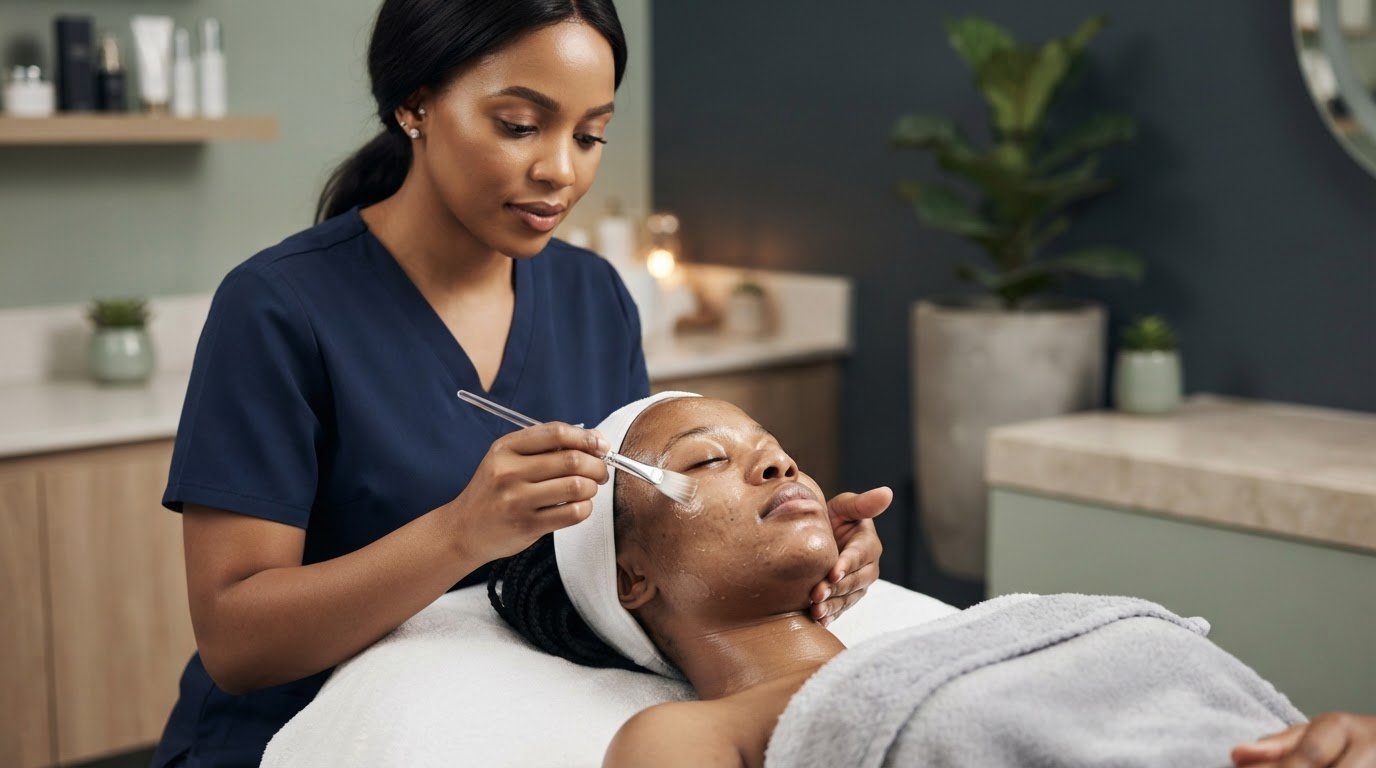
The gentlest route to smoother-looking skin is a carefully controlled peel, not simply a stronger one. A chemical peel for uneven skin texture is performed by assessing and preparing the skin, then applying a selected solution to the treatment area for a controlled period. The peel’s depth and ingredients shape how the skin responds and recovers.
Roughness, dullness and uneven tone can be frustrating, and the cause matters when choosing treatment. A chemical peel for uneven skin texture may help with some surface concerns, but persistent rough or scaly areas can signal a skin condition that needs professional evaluation before cosmetic treatment.
This guide explains how peels work, what they may improve and what recovery can involve. It also covers common causes of uneven texture, factors affecting suitability, and potential complications or infections, so you can make a more informed decision about your skin.
Key Takeaways
- Understand how peel depth and solution shape the treatment, from skin preparation to the controlled application.
- Plan ahead: sun exposure, retinoid use, hair removal and shaving can all affect preparation.
- Compare recovery expectations by peel depth, including how long redness, flaking and downtime may last.
- Learn which complications to consider, including changes in skin colour and risks associated with deep peels.
- Explore how the cause of rough or uneven texture can guide whether a peel may be suitable.
Table of Contents
- What is a chemical peel?
- How are chemical peels performed?
- Possible complications and infections
- Potential improvements to texture and tone
- Causes of rough or uneven skin texture
- The Glow Up Society: GA Peels
What is a chemical peel?
A chemical peel uses a chemical solution to exfoliate skin and remove damaged surface cells. The solution is applied to a selected area, such as the face, neck or hands, for a controlled period. Peel depth and formulation guide how the skin is treated. Preparation starts with a skin assessment, not with the solution.
There is no single best ingredient for every rough or uneven complexion. Glycolic acid (GA), LHA and retinol are distinct peel options. The right choice depends on your skin type, sensitivity, current condition and goals. A consultation helps match the peel to your concern instead of defaulting to the strongest option.
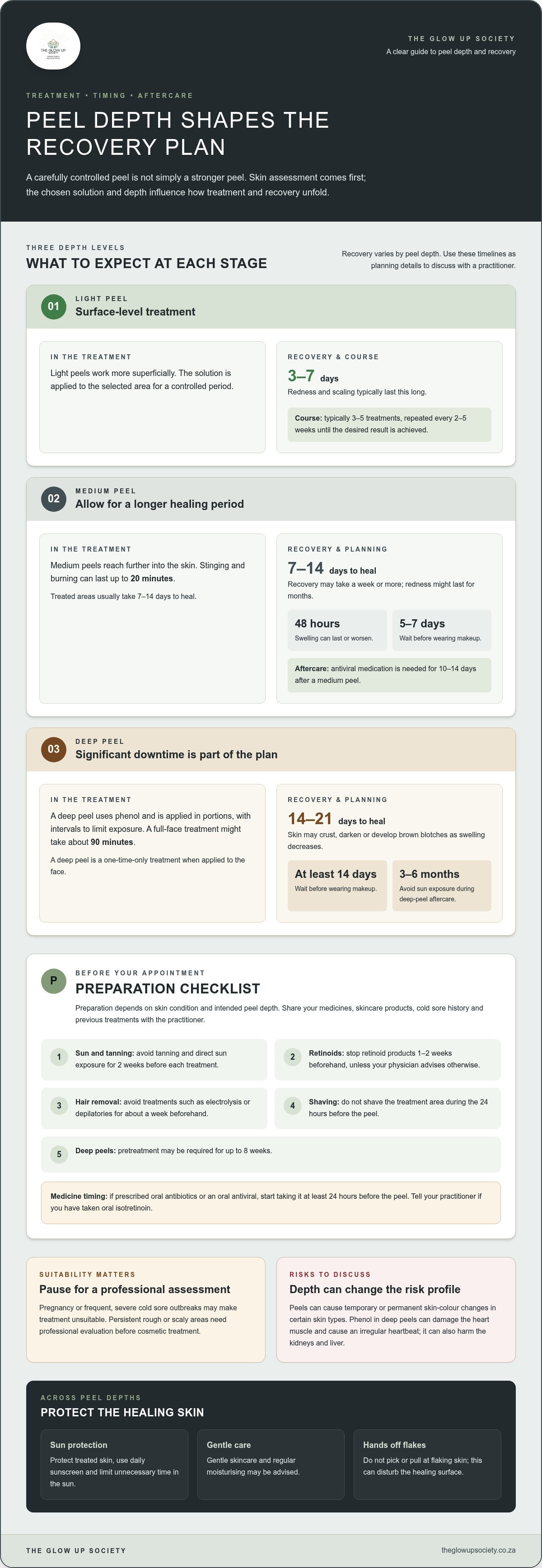
For light peels, a series of three to five treatments is typically needed. They may be repeated every two to five weeks until the desired result is achieved. Medium peels may be repeated every six to 12 months to maintain results. A deep peel is a one-time-only treatment when applied to the face.
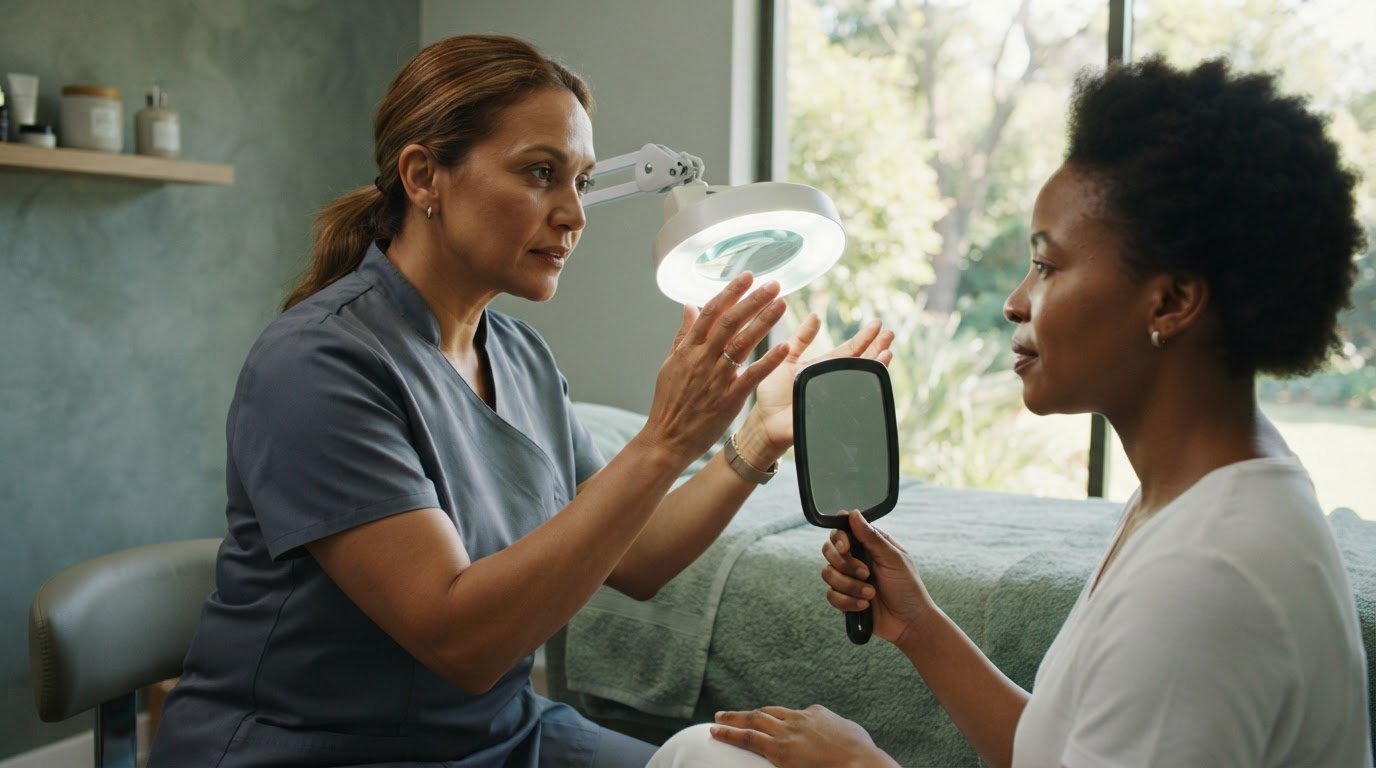
Preparation starts before your appointment. Tell the practitioner about your medicines, skincare products, cold sores and previous treatments, as these details can affect suitability and planning. Your skin is assessed before the chemical solution is applied, and preparation is tailored to its condition and the intended peel depth.
- Avoid tanning and direct sun exposure for two weeks before each treatment.
- Stop retinoid products one to two weeks before a peel, unless your physician advises otherwise.
- Avoid hair removal treatments, including electrolysis or depilatories, for about a week beforehand.
- Don't shave the treatment area during the 24 hours before your peel.
- Deep peels may require pretreatment for up to eight weeks.
Some prescribed medicines also affect timing. If you are prescribed oral antibiotics or an oral antiviral, start taking it at least 24 hours before the peel. Tell your practitioner if you have taken oral isotretinoin, as it may affect whether a peel is suitable. Pregnancy or frequent, severe cold sore outbreaks may make treatment unsuitable.
There is no single chemical peel price in South Africa. Cost depends on factors such as the peel type, treatment area and any preparation or follow-up involved. The price is provided after a quote request.
When choosing a practitioner in South Africa, look for relevant formal training, experience with the planned peel depth, clear hygiene practices and a thorough skin assessment. A suitable consultation explains the solution, preparation, likely recovery and risks in terms you understand. Persistent rough or scaly areas need professional evaluation before cosmetic treatment.
How are chemical peels performed?
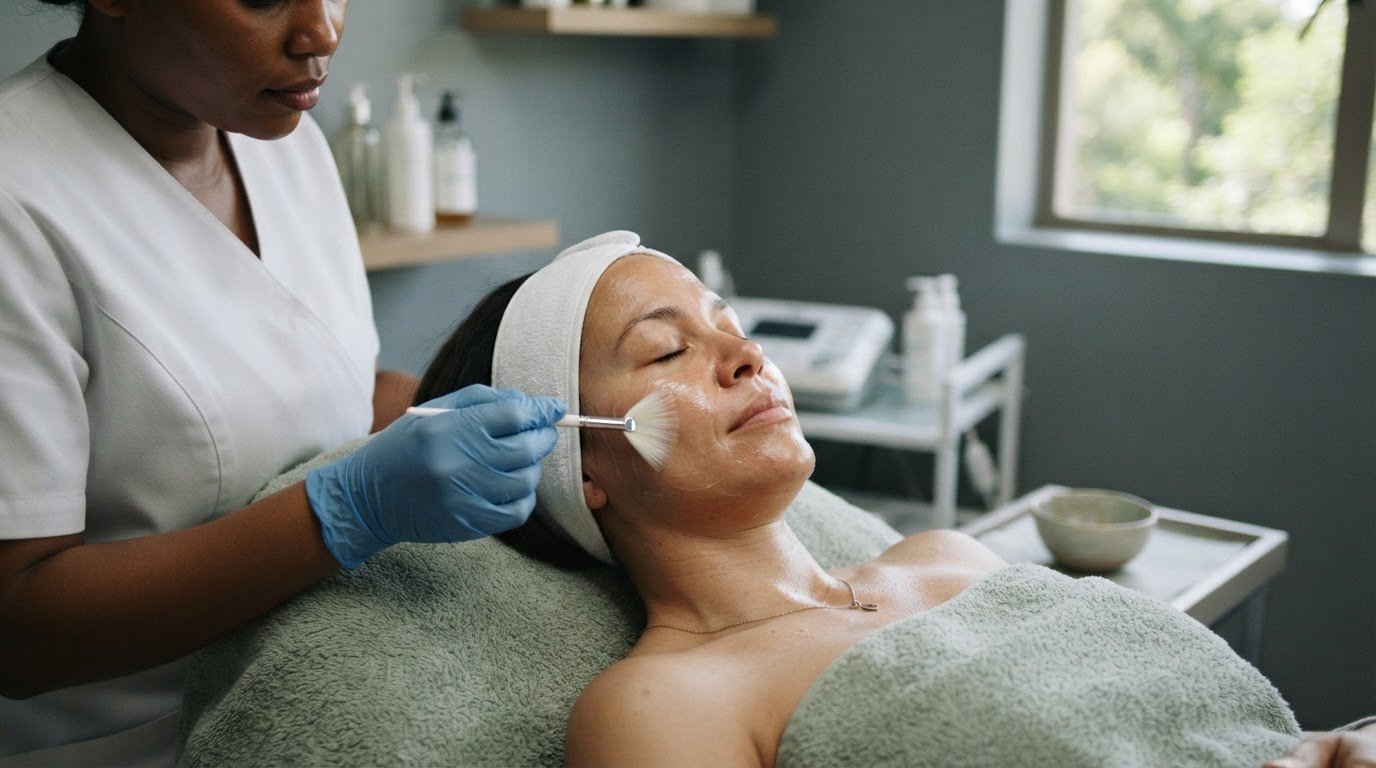
A chemical peel begins with skin assessment and preparation. The selected solution is applied to the treatment area for a controlled period, exfoliating layers of skin and removing damaged surface cells. During treatment, you may feel warmth, tingling or temporary sensitivity. With a medium peel, stinging and burning can last up to 20 minutes.
Depth affects both the procedure and the recovery. Light peels work more superficially, whilst medium peels reach further into the skin. A deep peel uses phenol and is applied in portions, with intervals to limit exposure. The procedure is usually performed by a doctor, and a full-face treatment might take about 90 minutes.
After treatment, peeling or flaking may continue for several days. Redness and scaling after a light peel typically last three to seven days. Medium-peel recovery may take a week or more; treated areas usually take seven to 14 days to heal, although redness might last for months. Swelling can last or worsen for 48 hours.
Deep peels have more substantial recovery needs. Healing typically takes 14 to 21 days, and the skin may crust, darken or develop brown blotches as swelling decreases. Makeup should wait at least 14 days after a deep peel. After a medium peel, makeup may be worn after five to seven days.
- Light peel: Expect possible redness and scaling for three to seven days.
- Medium peel: Allow a week or more for recovery, with swelling sometimes lasting 48 hours.
- Deep peel: Plan for 14 to 21 days of healing and significant downtime.
Aftercare supports healing. Protect treated skin from sun exposure, use daily sunscreen and limit unnecessary time in the sun. Gentle skincare and regular moisturising may be advised. Don't pick or pull at flaking skin, as this can disturb the healing surface. Deep-peel aftercare includes avoiding sun exposure for three to six months. Antiviral medication is needed for 10 to 14 days after a medium peel.
Peels, microneedling and laser resurfacing use different approaches to address texture. A peel exfoliates the skin’s surface with a chemical solution; microneedling creates controlled micro-injuries, while laser resurfacing uses light energy. The suitable approach depends on the skin concern, sensitivity and desired recovery. If you’re exploring microneedling as an alternative, Optiphi Microneedling is one option to discuss within a personalised skin plan.
Possible complications and infections
A peel deliberately exfoliates the skin, so temporary sensitivity may occur. Warmth, tingling, redness and flaking are possible responses, and their intensity depends partly on peel depth. A complication differs from an expected response: it may involve prolonged or unwanted changes and should be considered before treatment.
Changes in skin colour are a recognised concern. A chemical peel can cause temporary or permanent colour changes in certain skin types. This is especially relevant when your goal is a smoother, more even-looking complexion. Skin type, sensitivity and current skin conditions all matter when assessing suitability.
Deep peels carry additional risks because they use phenol. Phenol can damage the heart muscle and cause an irregular heartbeat. It can also harm the kidneys and liver. A deep peel is therefore not simply a stronger cosmetic option: its potential effects on the body are part of the treatment decision.
Infection is another concern to discuss during a consultation. A peel changes the skin’s surface, which then needs to heal. Mention any history of frequent or severe cold sore outbreaks, as chemical peels may be unsuitable in this situation. Your current skin condition and medicines also help shape the assessment.
Before proceeding, make sure you understand the difference between expected recovery and a complication. Light peels can cause redness and scaling for three to seven days. Medium peels can involve swelling that lasts or worsens for 48 hours. Those timeframes describe common recovery patterns, not a diagnosis of every skin change.
After treatment, follow the aftercare instructions carefully. Protect your skin from sun exposure, use gentle skincare if advised, moisturise regularly and avoid picking at flaking skin. These steps support recovery. If you are concerned about a change during healing, seek professional assessment rather than trying to treat it yourself.
Before treatment, tell the practitioner about your medicines and any previous skin reactions. Oral isotretinoin use within the previous six months is a reason to avoid a peel during that period. Pregnancy may also make treatment unsuitable. Sharing these details helps identify concerns before a chemical solution is applied.
Risk depends on more than the word “peel”. A light treatment and a deep phenol peel differ in depth, recovery and potential complications. Ask how the selected approach relates to your skin type, sensitivity and goals. A clear explanation should cover colour-change risks, infection concerns and the aftercare needed during healing.
Seek prompt medical assessment if you suspect an infection or experience a concerning reaction after a peel. While waiting for guidance, do not pick or scratch treated skin, or apply products that have not been advised. Careful preparation, clear aftercare and attention to changes can help you manage recovery thoughtfully.
Potential improvements to texture and tone
Chemical peels can improve rough texture, dullness, uneven tone and certain superficial imperfections. The chosen solution exfoliates the skin and removes damaged surface cells. This surface-focused action explains why a peel may suit concerns such as a dull complexion or mild roughness, but not every change in skin appearance.
Texture and tone describe different features. Texture is how smooth or coarse the skin’s surface looks and feels. Tone refers to how even the colour appears across an area. A peel may address both, but its type and strength influence which changes it is intended to target.
For example, a rough, dull area may need a different assessment from uneven colour accompanied by sensitivity. The practitioner considers your skin type, current condition and goals before selecting a peel. This matters because a solution intended to exfoliate the surface must suit the skin being treated, not just the name of the concern.
Results develop as the skin responds and heals. Flaking or scaling after a peel can temporarily make the surface look less even. This is part of recovery, not an indication that the final appearance has settled. Gentle care and avoiding picking help protect the treated skin as it heals.
A light peel is often planned as a series of three to five treatments. Sessions may be spaced every two to five weeks until the desired result is achieved. Medium peels may be repeated every six to 12 months to maintain results. These schedules differ because peel depth changes the treatment approach and recovery needs.
- Roughness: Exfoliation removes damaged surface cells, which can help soften a rough-looking texture.
- Dullness: Removing surface build-up can support a fresher-looking complexion.
- Uneven tone: A peel may improve certain superficial colour irregularities, depending on its type and strength.
- Surface imperfections: Some shallow concerns may respond, whilst other causes need a different assessment.
A peel is not the answer for every uneven area. Persistent rough or scaly patches can indicate a dermatological condition rather than a cosmetic concern. In that case, seek professional evaluation before considering exfoliating treatment. The cause matters: treating a skin condition as surface dullness could delay appropriate care.
Set a goal around the specific change you notice, such as roughness across your cheeks or dullness on your forehead. Then discuss how peel depth, skin sensitivity and healing relate to that goal. A considered plan focuses on the surface concern and the colour or texture you want to address, while taking account of the recovery your routine can accommodate.
Causes of rough or uneven skin texture
Texture changes can start with a build-up on the skin’s surface. Dead skin cells may accumulate, leaving skin dull, dry or uneven. For instance, a dry-looking patch may feel rough next to smoother areas. A peel targets surface cells, but understanding the cause helps determine whether exfoliation is suitable.
Sun exposure, ageing and acne can all contribute to changes in texture, though they affect everyone differently. You might notice roughness, dullness or an area that looks less even than the surrounding skin. These observations help describe the concern, but do not establish its cause.
Acne is one possible contributor, but it can affect skin in different ways. A history of breakouts may accompany changes in how your skin looks or feels. Describe where the texture changes appear and whether they occur alongside active acne. This context helps a practitioner consider whether a cosmetic approach, including surface exfoliation, suits your goals.
Ageing and sun exposure also matter when assessing a change. Note whether the concern appears across an exposed area or in a particular patch, and whether it has changed over time. These details do not diagnose the cause, but help distinguish a general texture concern from a localised area that needs closer attention.
Persistent rough or scaly skin deserves particular care. It may indicate a dermatological condition rather than a cosmetic concern. If a patch continues, becomes more noticeable or looks different from the surrounding skin, seek professional evaluation before considering a peel. Treating an unexplained area as ordinary dryness or dead-cell build-up can overlook the reason it persists.
To prepare for an assessment, describe what you see without trying to diagnose it. Note whether the area feels dry, looks dull, appears scaly or occurs where acne has affected your skin. Mention sun exposure and changes over time, too. These observations help guide a discussion about the cause and appropriate next steps.
- Surface build-up: Dead skin cells may make skin appear dull, dry or uneven.
- Sun exposure and ageing: Both can contribute to changes in skin texture.
- Acne: A history of breakouts may be relevant when describing uneven areas.
- Persistent roughness or scaling: Seek professional evaluation before cosmetic treatment.
The key distinction is whether the concern appears superficial or persistent and scaly. A peel may help some surface irregularities, but it doesn’t identify their cause. If you’re unsure how to describe a texture change, arrange a skin assessment before choosing an exfoliating treatment.
The Glow Up Society: GA Peels
The Glow Up Society in Fourways offers GA Peels for people considering a chemical peel as part of a skin-texture plan. LHA Peels and Retinol Peels are additional options, while Optiphi Microneedling offers a different approach to skin renewal. The right treatment depends on your skin’s condition, sensitivity and goals, particularly if roughness or scaling persists.
A skin assessment can connect your concern with an appropriate treatment and clarify preparation and aftercare. It also gives you the opportunity to discuss whether a peel or microneedling better suits your needs. If you have persistent or scaly areas, seek professional evaluation before cosmetic treatment.
For a considered next step, contact The Glow Up Society or visit theglowupsociety.co.za.
Choose a skin plan with confidence
Choosing a chemical peel for uneven skin texture starts with identifying the change you most want to address. Before your consultation, note where roughness or uneven tone appears, what you hope to improve and how your skin has responded to previous treatments. These details make the conversation more focused and help connect your goals with an appropriate approach.
The Glow Up Society in Fourways offers GA Peels, LHA Peels and Retinol Peels. Discuss each option in the context of your skin, preferences and treatment goals. A thoughtful plan considers more than the concern you see in the mirror: it also accounts for your skin’s needs and the care that supports it afterwards. Your next step can be an informed conversation about which approach makes sense for you.
Contact The Glow Up Society to discuss your skin goals and take a considered step towards feeling comfortable in your skin.
Frequently Asked Questions
How Should You Care for Your Skin After a Peel?
After a peel, keep your routine gentle and protect healing skin from the sun. Moisturise regularly, apply daily sunscreen and avoid picking or pulling at flakes. Let loose skin shed naturally rather than rubbing it with a cloth or exfoliant. Follow the practitioner’s specific instructions about products and makeup, as suitable timing depends on peel depth and how your skin is recovering.
Why Does Skin Texture Become Rough?
Rough texture can develop when dead skin cells accumulate, or alongside sun exposure, ageing and acne. These causes can look similar, so note where the change appears and whether the skin feels dry, scaly or uneven. A small, persistent scaly patch deserves particular attention: it may reflect a dermatological condition rather than ordinary surface build-up. Seek professional evaluation before treating an unexplained area as a cosmetic concern.
How do chemical peels improve uneven skin texture?
A chemical peel for uneven skin texture works by exfoliating the skin and removing damaged surface cells. This may improve roughness, dullness, uneven tone and some superficial imperfections. The result depends on the peel’s type and strength, as well as the concern being addressed. A surface-level concern differs from persistent scaling, which needs assessment before exfoliating treatment is considered.
What is the difference between superficial, medium and deep chemical peels?
Superficial, or light, peels work nearer the skin’s surface; medium peels reach further, and deep peels act more intensively. Depth affects both recovery and treatment planning. Light peels may be repeated every two to five weeks, while medium peels may be repeated every six to 12 months to maintain results. A deep peel on the face is a one-time treatment and requires significant downtime.
How should you prepare for a chemical peel and care for skin afterward?
Before treatment, discuss your medicines, skincare routine, skin sensitivity and treatment goals. Avoid tanning and direct sun exposure for two weeks beforehand, and don’t shave the area during the 24 hours before your appointment. Afterward, use gentle skincare as advised, moisturise and protect your skin from sunlight. In South Africa, remember that sun protection remains important during everyday outdoor activities while skin heals.
What are the risks and side effects of chemical peels, including for darker skin tones?
Possible effects include temporary sensitivity, redness, flaking and changes in skin colour. Colour changes can be temporary or permanent in certain skin types, so skin tone and individual sensitivity matter during assessment. Deep peels also use phenol, which can harm the heart, kidneys and liver. Share your health and cold sore history before treatment, and seek professional advice about persistent or concerning changes during healing.
Which chemical peel ingredients are best for rough or uneven skin texture?
There is no single best ingredient for every complexion. Glycolic acid (GA), LHA and retinol are options; the choice depends on your skin type, sensitivity, current condition and goals.