Skincare
Chemical Peel vs Microneedling: Which Suits Acne Scars
· The Glow Up Society
Microneedling may be the stronger option for acne scars that call for collagen stimulation, while a chemical peel may better suit surface texture and uneven tone. In a chemical peel vs microneedling comparison, the type of scarring and your skin goals matter more than choosing one treatment as universally better. If you have active acne, discuss whether it should be addressed before considering either treatment for acne-related concerns.
It’s understandable to want a clear answer when both treatments are used to refresh the skin, but they work in different ways. Microneedling can improve acne scars and is suitable across skin pigment types. Chemical peels exfoliate the outer skin layers, with their depth depending on the solution used.
This guide compares the treatments for scarring, collagen stimulation and skin tone, and explains what to consider when choosing between them. It also covers how recovery and treatment planning can help determine which option may suit your skin.
Key Takeaways
- Match the treatment to your main concern: scar texture, uneven tone and collagen support can point towards different options.
- Learn how microneedling’s skin-repair response supports gradual collagen renewal and why results build over time.
- Understand how peel depth and skin tone shape treatment suitability, and why active acne should be controlled first.
- Use recovery, sun protection and treatment spacing to help decide which approach fits your skin goals and routine.
Table of Contents
- Which is better for acne scars, a chemical peel or microneedling?
- How microneedling stimulates collagen production
- Skin tone and chemical peel suitability
- Choosing between microneedling and chemical peels
- The Glow Up Society: Optiphi Microneedling
Which is better for acne scars, a chemical peel or microneedling?
Neither treatment suits every scar. Peels target surface texture and pigmentation, while microneedling stimulates collagen for acne scars and fine lines. Active acne should be controlled before either treatment is considered.
Chemical peel types and treated skin layers
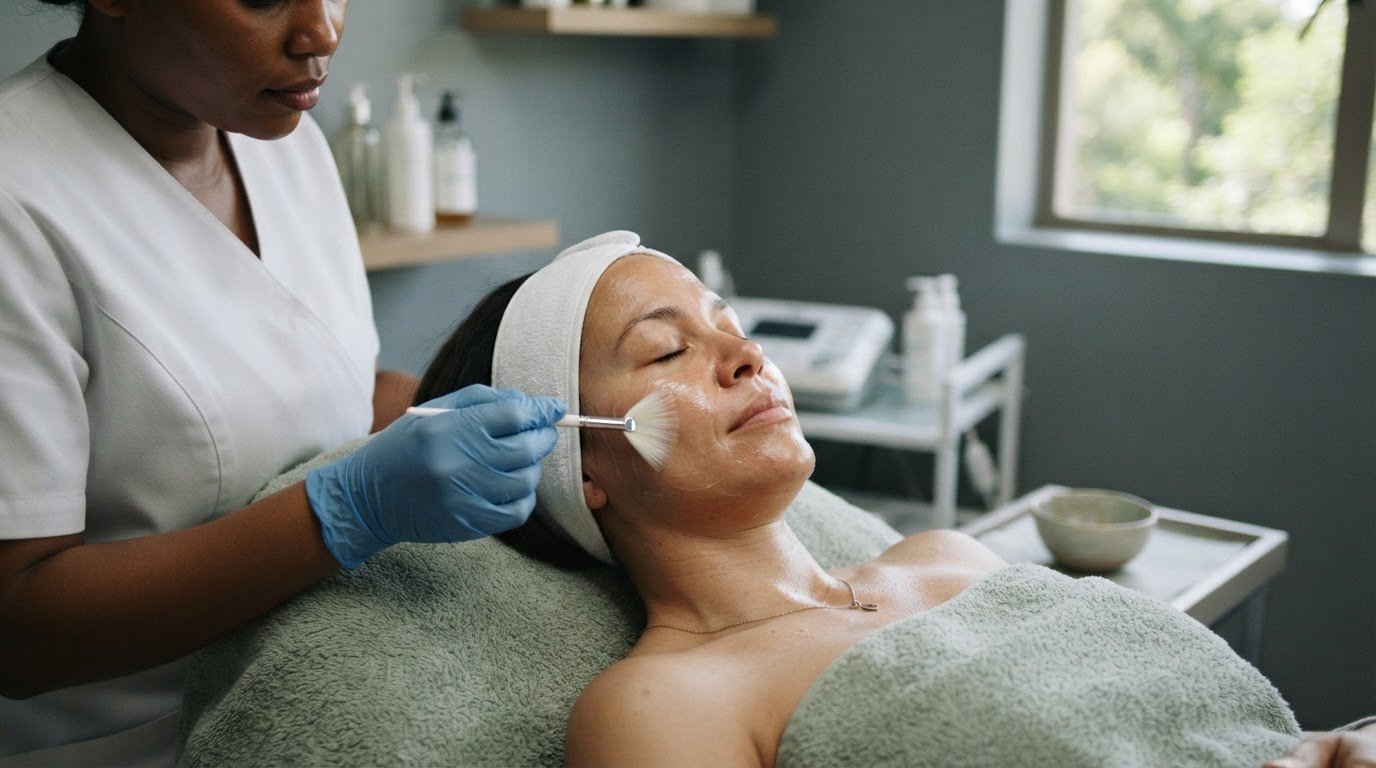
Chemical peels can be superficial, medium-level or deep. The solution exfoliates the outer skin layers, and the peel’s depth depends on its strength. This may make a peel an option for surface scarring, uneven tone and sun damage. Deeper peels affect more layers and involve longer recovery, so depth is an important part of treatment planning.
Microneedling for scars, pores and fine lines
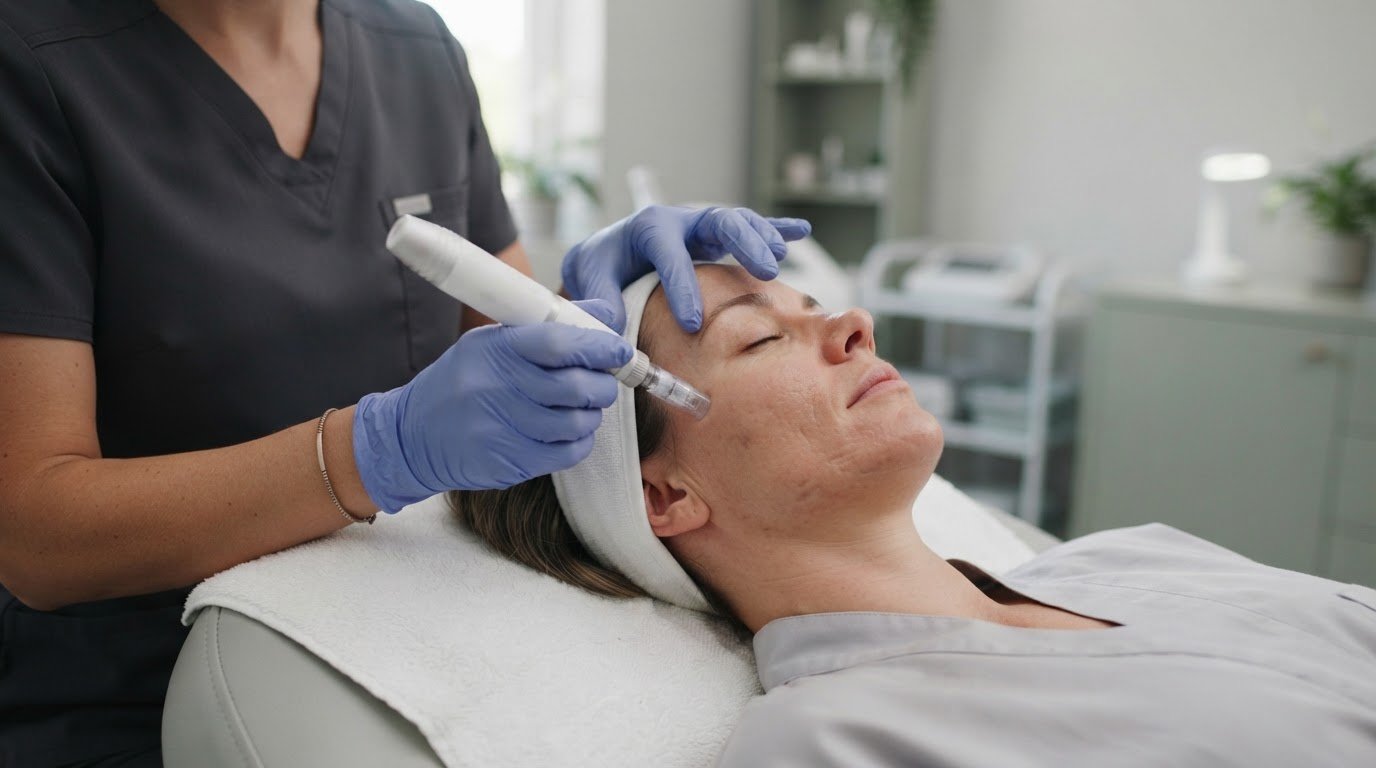
Microneedling uses small sterile needles to prompt the skin’s healing response and stimulate collagen production. It can improve acne scars, enlarged pores and fine lines, with results developing gradually over a treatment series. It may suit different skin pigment types, but the scar pattern and your current skin condition still matter. Active acne should first be brought under control.
| Option | Acne scars and texture | Pigmentation | Fine lines | Recovery |
|---|---|---|---|---|
| Chemical peel | Exfoliates damaged surface layers | Often preferred for uneven tone | Can address surface wrinkles | Flaking may last 3 to 7 days; medium and deep peels can need two to three weeks |
| Microneedling | Supports collagen renewal | Suitable across skin pigment types | Can improve fine lines | Redness typically lasts 1 to 3 days |
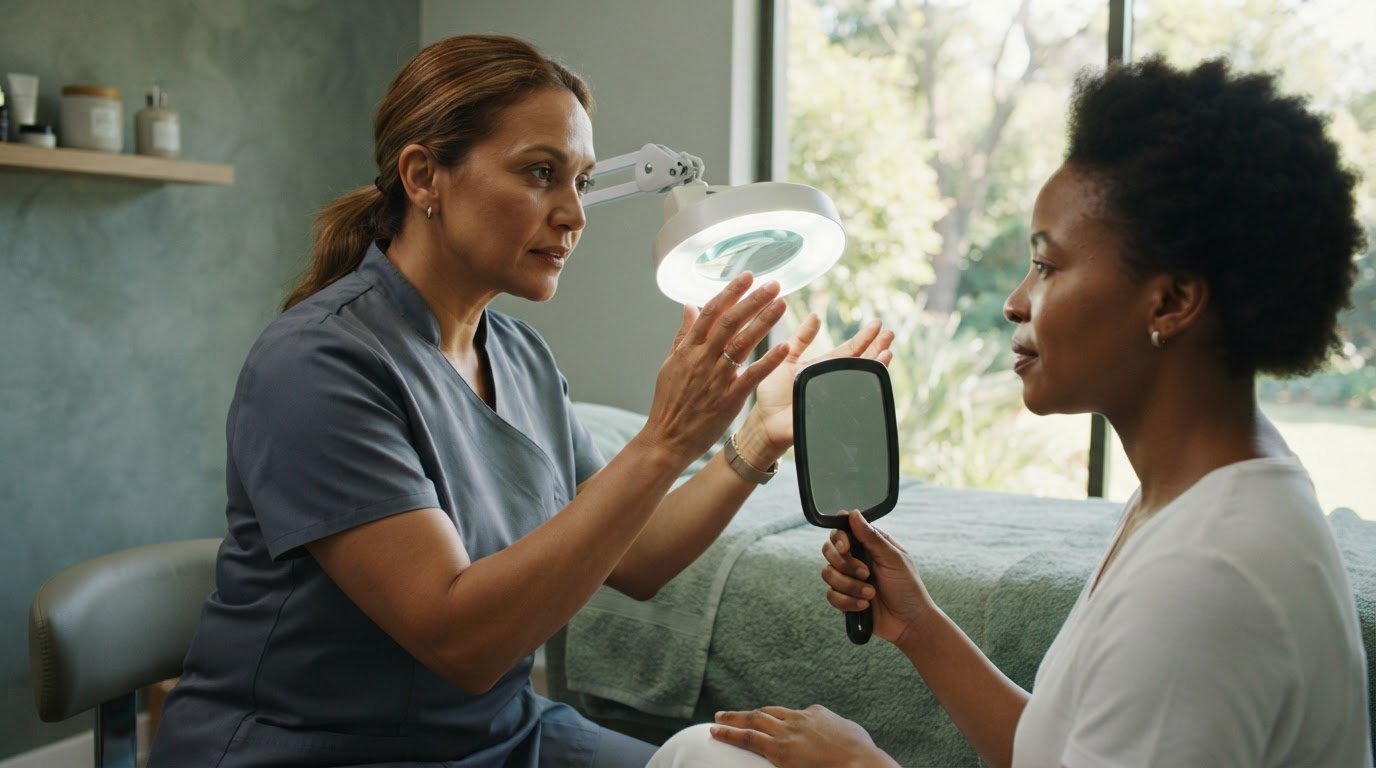
After either treatment, use daily SPF 30 or higher. A qualified South African skin therapist or medical practitioner should assess your skin, treatment goals, current acne and relevant medication, then explain the treatment plan and aftercare before proceeding.
Choose a peel for surface texture or pigmentation. Consider microneedling when collagen support for scars, pores or fine lines is the priority.
How microneedling stimulates collagen production
Microneedling uses small sterile needles to create tiny, controlled injuries in the skin. These prompt the skin’s healing response, which encourages collagen production. Unlike a chemical peel, microneedling does not remove skin layers. Instead, it creates a repair signal beneath the surface, making renewal within the skin its central focus.
During this response, collagen is remodelled beneath the skin for months after treatment. This gradual process helps explain why changes are not immediate: the appearance develops as the skin repairs itself over time. Collagen supports the skin’s structure, and microneedling may help address acne scars, wrinkles and mild skin laxity. It can also improve enlarged pores, which are different from concerns about uneven surface tone.
Collagen and elastin are both associated with skin structure, but microneedling’s described mechanism centres on collagen production. Keep this distinction in mind when setting treatment goals. For example, someone focused on shallow acne scars may be considering collagen renewal, while someone mainly concerned about pigmentation has a different priority. Skin tone and the condition being treated also shape the assessment.
A typical plan involves 3 to 6 sessions, usually spaced about a month apart; treatments are also commonly spaced two to six weeks apart. Peak results may take four to six weeks to appear, and collagen remodelling continues for months. This gradual timeline matters when planning around visible changes. It also means a single session is not the usual route to the best outcomes.
After treatment, tenderness and a sunburned appearance typically resolve within 4-5 days. Gentle aftercare supports the skin while it recovers, and daily SPF 30 or higher helps protect it. These steps support recovery; they do not speed collagen remodelling, which continues beneath the surface.

Skin tone and chemical peel suitability
Chemical peels use solutions such as alpha-hydroxy acids, trichloroacetic acid or phenol to exfoliate damaged skin. Their strength determines how deeply they act, from the outer layer towards deeper layers. That difference matters when your concerns include surface texture, sun damage or uneven tone, because peel depth shapes both the treatment target and recovery.
Microneedling is described as suitable across skin pigment types. Chemical peel suitability depends on the solution’s strength and the skin concern being addressed; no single peel depth fits every complexion. A practitioner can assess your skin tone, pigmentation and condition together, then select an approach suited to those factors.
Peels remove damaged outer skin layers, encouraging a smoother-looking surface as the skin renews. They can help improve sun damage, age spots, melasma, acne and uneven skin tone. For example, someone concerned about visible sun damage and surface hyperpigmentation may prioritise a peel’s exfoliating action over collagen stimulation.
Surface texture is another consideration. Chemical peels can address surface wrinkles and scarring, although their effect depends on the peel’s depth. Fine lines caused by surface changes may be relevant, while sagging skin is different, as it is not simply an issue of exfoliating the top layer. Matching the treatment to your main concern helps set a clearer goal.
After a peel, visible flaking can last 3 to 7 days, depending on peel depth. Medium and deep peels can require two to three weeks of recovery, with the top skin layer peeling or sloughing. Light peels generally involve less downtime. Daily SPF 30 or higher is advised after treatment, as sun protection supports care for freshly treated skin.
Choose according to your priority: a peel may suit surface sun damage, uneven tone or texture, while microneedling addresses collagen-focused concerns across skin pigment types. Peel strength, the treatment area and the required depth all shape the decision.
Choosing between microneedling and chemical peels
Their short-term effects differ: a peel exfoliates the skin, while microneedling uses needles to prompt repair. When weighing chemical peel vs microneedling, consider how each approach fits your priorities and skin history.
Chemical peel risks and side effects
Visible shedding is an expected effect of peel exfoliation, and its prominence may depend on the peel’s depth. Before choosing, identify whether surface changes are your main concern and discuss how the solution and depth relate to it. This keeps the decision focused on your skin goals, rather than on the peel’s name alone.
Microneedling risks and side effects
Microneedling can cause temporary redness and tenderness as the skin responds to treatment. Its suitability also depends on skin health: it isn’t recommended for people with bacterial skin diseases such as psoriasis or eczema. Sharing relevant skin conditions during assessment helps establish whether this approach suits your circumstances.
For a practical comparison, write down your main concern, any relevant skin conditions and what you hope to change. If uneven tone is your priority, discuss how peel choice relates to pigmentation. If scarring is the main concern, discuss how collagen-focused treatment fits that goal. These are useful consultation points, but they do not replace an assessment of your skin.
Consider whether you’re choosing one treatment for a single concern or weighing options for several. A chemical peel vs microneedling comparison becomes clearer when you rank your concerns, rather than expecting one approach to address everything equally. For example, you might put scar texture first and tone second, then discuss which goal should guide the initial treatment plan.
Bring your priorities to the consultation. A considered chemical peel vs microneedling choice starts with clear goals, relevant skin history and a treatment plan shaped around both.
The Glow Up Society: Optiphi Microneedling
The Glow Up Society offers Optiphi microneedling for those considering collagen-focused care for acne scars, pores or fine lines. If your main concern is surface texture or uneven tone, GA peels, LHA peels and retinol peels are options to discuss in relation to your goals.
Choosing between these treatments starts with the skin concern you want to address, your skin tone and the recovery time you can plan for. A considered treatment plan helps match the approach to your priorities, rather than treating every concern in the same way.
Contact The Glow Up Society in Fourways to discuss a treatment suited to your skin goals.
Choose a treatment path that fits your skin goals
Your next step can be a focused conversation about the change you’d most like to see. The chemical peel vs microneedling decision is not only about a treatment name; it’s about aligning your priorities, skin history and recovery preferences with a considered plan. You might focus on scar texture, uneven tone or a smoother-looking surface. Clear priorities make the discussion more useful.
There may be more than one peel approach to consider. GA peels, LHA peels and retinol peels offer options to discuss alongside Optiphi microneedling and your skin goals. Start with the concern that matters most to you, rather than expecting a particular result.
Contact The Glow Up Society to talk through your skin goals and take a calm, informed next step.
Frequently Asked Questions
Does microneedling help wrinkles?
Yes, microneedling can improve fine lines by encouraging collagen renewal beneath the skin. It may suit someone whose concerns include early lines, acne scars or enlarged pores. Changes develop gradually rather than appearing immediately after treatment, so plan around your longer-term skin goals rather than an upcoming event.
Can you combine chemical peels and microneedling?
Both treatments may be considered as part of a broader skin-care plan, depending on your needs. They may be alternated several weeks apart. After a chemical peel has healed, wait about four to six weeks before beginning microneedling. This spacing gives your skin time to recover before another treatment prompts renewal.
Are the procedures effective for treating fine lines and wrinkles?
Both treatments may address fine lines, but they work differently. Chemical peels exfoliate the skin and may improve surface wrinkles, while microneedling encourages collagen renewal. Someone concerned about rough texture and visible surface lines may discuss a peel; someone focused on lines alongside acne scarring may consider microneedling as part of a treatment plan.
Are these treatments safe for darker skin tones?
Microneedling is described as suitable across skin pigment types, while peel choice depends on the solution’s strength and the concern being treated. Suitability also depends on skin condition: active acne should be controlled before either treatment, and microneedling isn’t recommended for people with bacterial skin diseases such as acne, psoriasis or eczema. Discuss pigmentation and current skin concerns during assessment.
How can these cosmetic treatments help me?
These treatments offer different ways to address visible skin concerns. A peel may be considered for surface texture or uneven tone, while microneedling focuses on collagen-related concerns such as acne scars and fine lines. If you’re in Fourways, Sandton, Lonehill, Kyalami, Bryanston or North Riding, start by identifying the change you’d most like to address.
What are the differences?
A chemical peel uses a solution to exfoliate the skin, with its depth depending on the peel’s strength. Microneedling uses small sterile needles to prompt a healing response beneath the skin. In practical terms, peel choice centres on the surface concern and peel depth, while microneedling centres on collagen renewal. Recovery patterns also differ, so consider downtime alongside your goals.